
for European Studies
Peripheries
How do we imagine Europe? How should we reimagine Europe?
The Nanovic Institute is committed to enlarging the map with research and dialogue that encompass the lived experiences of all people in Europe, including those marginalized by geography, poverty, policies of citizenship, and difference, in order to explore the humanity of those people and places Pope Francis has called “the peripheries” (Evangelii Gaudium 20), which he specifically referenced during a 2024 greeting to the president and officials of the University of Notre Dame:
“We cannot stay within the walls or boundaries of our institutions, but must strive to go out to the peripheries and meet and serve Christ in our neighbor. In this regard, I encourage the University’s continuing efforts to foster in its students zeal for meeting the needs of underprivileged communities.”
The Keough School of Global Affairs seeks to accomplish just this mission. Furthermore, within the specific context of European studies, questions about peripheries, borders, and rural development (especially in Southern and Eastern Europe) have been a more prominent point of discussion and study over the past decade.
Despite this added attention in European studies, the theoretical concept of “peripheries” remains contested and, as a result, understudied. Some scholars, for example, wish to eschew a center-peripheries framework that might hearken back to the era of European colonialism. Others argue for the study of peripheralization as a process rather than the peripheries as fixed people or places. Recognizing this gap in scholarship, the Nanovic Institute has made “peripheries” a focus of its 2021-2026 strategic plan with the aim of creating a more diverse and nuanced understanding of what it means to be European. The institute aims to develop a theoretical framework for understanding peripheries and the processes of peripheralization, including spatial, structural, social and political, and epistemic peripheries. It also aims to establish a methodological and ethical approach to the study of areas, groups, and ways of knowing that are underrepresented in research and public perception. Areas of interest include, but are not limited to:
To pursue these research questions, the Nanovic Institute will partner with its faculty fellows, staff, students, and partners, as well as academics around the globe. By considering European studies through this lens, the Nanovic Institute will solidify Notre Dame as a distinctive institute for research on topics relating to the peripheries and the peripheralized, a process of “rethinking” Europe from the peripheries.

Published in February 2026, The Routledge Handbook of Peripheries in European Studies (edited by Clemens Sedmak and Pamela Ballinger) is a milestone in the Nanovic Institute's research priority in "peripheries"and a major contribution to its 2021-26 Strategic Plan. This publication is presented Open Access and may be reviewed at any time. 41 contributors from across the globe contributed to this handbook.
In her preface, Ballinger recognizes that the term "peripheries" may be contested, but she and the authors consider it a fruitful concept nonetheless. This complexity itself provides ways to explore nuanced topics, such as processes of peripheralization, the dynamics of centering and de-centering, and the ever-changing relationship between multiple centers and multiple peripheries. In fact, a particular context can be both peripheral and central at the same time.
The handbook considers four particular forms of peripheries:
The institute looks forward to continued work on the topic and seeing how the handbook can advance the conversation on this nuanced approach to European studies. This handbook invites all of us to "reimagine Europe as a concept, an imagined community, a lived reality."
Currently, the Nanovic Institute has begun research in three pilot projects to gather data related to peripheries for scholarly attention.
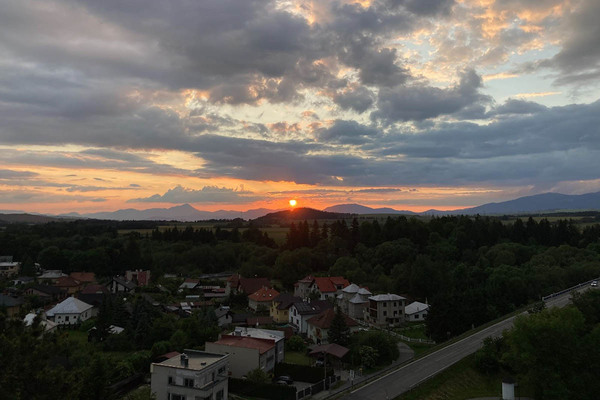
Partizánska Ľupča, a rural village in Slovakia
Gaelteach (Irish-speaking) communities in Western Ireland
L'Arche communities in Italy
The findings from these projects will form the basis of the institute’s deepening conceptualization of peripheries, including definitions and applications. Ultimately, the goal is to publish a handbook on the concept of peripheries in European studies, as well as a related book series.
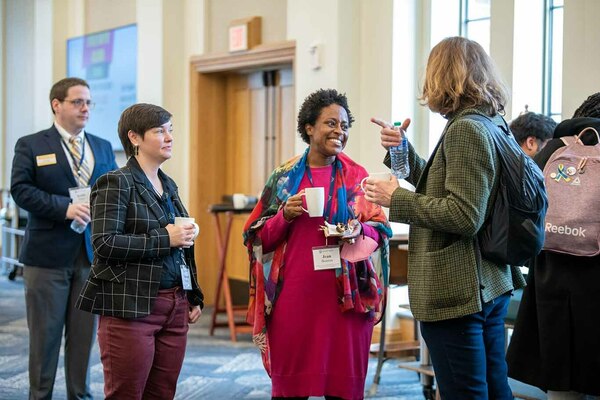
One of the highlights from this research priority so far has been the conference "Reimagining Europe from Its Peripheries," held April 27-29, 2023. This conference welcomed scholars, practitioners, and policymakers from across the United States and Europe to discuss Europe's "peripheries" and related topics, including migration, integration, colonialism and decolonization, law, and literary analysis. As a whole, this gathering and its contributors examined the political and cultural "structuring" of European belonging, from the perspective of its ever-shifting, often-precarious peripheries — and its peripheral subjects. It was a fruitful way to nurture the conceptualization of peripheries and peripheralization.
A virtual workshop followed this conference in the fall of 2023.
Read more about the event and its speakers
Have you read through this page and believe your research, project, publication, or proposal fits with the theme of peripheries? Do you want to be involved in the Nanovic Institute’s work in this area and engage with our partners and audiences?
If so, you are invited to fill out the form below to let us know. It should take less than five minutes.
Share your research goals and interests
Belgrade, Serbia
This graduate student project explored how structured social practices are critical to preserving cultural traditions and meaning-making in refugee populations who find themselves in challenging socio-ecologies, thereby contributing to stress mitigation and relatively better health outcomes. The project sought to map structured social practices as emergent social phenomena in Serbia that can be compared across refugee populations, measuring their effect on stress and health.
Faculty Advisor: Rahul Oka
London, England
This undergraduate fall break project examined urban bordering in London and its relationship to the past, present, and future of Brexit. The project focused on whether visible/invisible bordering practices between ethnic communities exist in London, and if the Brexit referendum changed the way migrants experience bordering in their everyday lives. The project employed informal observations of urban border spaces and in-person interviews with migrants.
Berlin, Germany; Ankara, Turkey
This graduate student project studied the cultural nuances of Berlin and Ankara, particularly among the immigrant working class, as research for Nazli Koca’s novel A Cleaner’s Diary. The novel explores the experiences of immigrants whose national identities are seen as challenges by their new homes, uniquely focusing on the limitations of language from multiple perspectives within immigrant working class communities. The novel aims at informing the perception of new immigrants, particularly those who come from Muslim countries, in contemporary Europe—helping them integrate into new cultures without losing their own native identities.
Clifden, Ireland
This undergraduate fall break project explores the Irish food system, aiming to understand how it promotes access to healthy, nourishing foods at low costs and how other large economies like the United States could learn from it. The project studied this food system on the ground, researching the Connemara region which is known for its family farmers and small producers.
Faculty Advisor: Kevin Whelan
Lisbon, Portugal
This graduate student project explored how agricultural production in Portugal and Angola contributed to notions of race that circulated in the Portuguese empire between 1760-1860. The project studied European historiography and new primary sources on Portuguese society to expand on the transformations of production and social classification left uncovered in previous research. The project sought to contribute to scholarship by considering how the society and government of Portugal understood and interacted with African peoples in the region of Benguela at the height of the transatlantic slave trade.
Faculty Advisor: Mariana Candido
The student conducted research on healthcare accessibility for low-income populations in Barcelona, Spain, and applied for funding to support this endeavor. They extensively researched lower-income neighborhoods and transportation network gaps. During their time in Barcelona, they met with patients and healthcare practitioners to discuss access and health outcomes for different populations.
Seville and Cordoba, Spain
This undergraduate winter break project studied the lasting Moorish influence in southern Spain, particularly through the ornamentation belonging to the architectural style of Mujédar. The project sought to better understand the unique nature of the Andalucía region and contribute to the ongoing conversation regarding migrants and acceptance between different cultures and religions.
Faculty Advisor: Olivier Morel
Dublin, Ireland
This undergraduate fall break project addressed the influence of the Irish language on Irish nationalism amongst women during the 1916 Easter Rising. Specifically, how something as simple as an Irish language class offered to women in Universities awakened and attracted them to the militant cause of Irish Nationalism. The project sought to make connections to contemporary Irish pride and the role of the Irish language in the present-day Irish identity.
Faculty Advisor: Paul Ocobrock
Connemara, Ireland
This faculty grant aided in funding the conclusion of the Dresser Project, a research project focused on western Ireland. This project combined multidisciplinary approaches to materiality and homemaking to investigate how people in rural Connemara villages sustained their communities after waves of emigration. The project investigated tangible strategies of those who remained in their homes despite the often-overwhelming adversity associated with staying amidst the tumult of the nineteenth and twentieth centuries.
The student researched government housing for internally displaced persons in Tserovani and Shivsbabi, Georgia. Their research aimed to understand these spaces architecturally and on a societal level, examining how they promote human dignity and culturally distinguish Eastern European design.

Elsa Barron is a second-year PhD student in the Kroc Institute’s PhD program in Peace Studies and Political Science. For several years, she has studied climate policy and its disproportionate effects on developed and developing countries. Because of a lack of access to resources for adaptation, least-developed countries (LDCs) are some of the most at risk, despite having contributed least to the causes of climate change. Last year, Europe wasn in the spotlight on climate policy development as the host of the UN conference on climate change (COP29). The opportunity presented a unique moment where regional host Azerbaijan, situated on the peripheries of Europe, orchestrated negotiations on policy considered crucial to human dignity across other global peripheries– communities that have often been considered disposable. Barron. With support from the Nanovic Institute for European Studies, the Kroc Institute for International Peace Studies, and the Christian Climate Observers Program, Barron traveled to Azerbaijan to attend COP29 and deepen her understanding of international climate justice.

One core question guided Barron’s research at COP29: “Is the current UN Loss and Damage Framework sufficient to achieve climate justice according to global civil society? If not, would a truth and reconciliation process contribute to filling this gap?” To answer these questions, Barron leveraged the unmatched convergence of civil society in Azerbaijan to gain a global perspective on the meaning and requirements of climate justice. Throughout the week of the conference, she conducted nearly twenty in-depth interviews with civil society leaders to understand how the communities they work with are impacted by climate change, conceptualize climate justice, and seek out accountability and reconciliation for harm. Interviewees included experts on migration, Indigenous rights, finance, peacebuilding, and representatives of international faith communities. Conversations were centered around pressing concerns related to climate impacts, understandings of climate justice, gaps in the current framework of loss and damage, and pathways forward toward greater justice and accountability. At the end of the conference, the final agreement of $300 billion in collective financing to be provided annually was far less than the $1 trillion demand put forward by many negotiators, increasing the imperative for research exploring the gaps between current policy development and needs on the ground. Barron’s ongoing reflections circle around the failures of the post-Paris COP process to produce action commensurate with the climate crisis at hand, constantly held back by the agendas of geopolitically powerful nations. It re-emphasizes the need for more radical interpretations of climate action and understandings of climate justice centered on lived experiences of climate-induced losses and damages.

Barron’s trip to Azerbaijan represents the first steps of her dissertation, which more broadly explores the question: In the context of climate change and particularly for communities facing the loss of home, what policy avenues are required to achieve climate justice? She also intends to use this research to develop a journal publication that will not only advance academic understandings of climate change and justice but also present avenues for innovative policy development that better suit the needs of communities most impacted by climate change.
Spain; France; Netherlands
This faculty grant provided funding for archival research in Spain and France for Ashley Bohrer’s current book project, Capitalism and Confinement. The book offers a Marxist-feminist analysis of how modern forms of property were formed in and through European colonization of the Americas, with important global effects inside the borders of Europe as well as in its overseas colonies.
Huelva and Castilla-La Mancha, Spain
This graduate student project examined the decentralized immigrant regularization model in Spain, considering how local governance structures irregular migrants’ opportunities for regularization. The project connected the sociological and legal studies literature on civic stratification to that of local governance to show how municipal-level policies can alleviate or exacerbate existing social and political inequalities. The project also sought to contribute to literature by focusing exclusively on non-metropolitan areas, which have been largely neglected by academics and politicians, and analyzing why analogous municipalities enact policies that are more or less inclusive of undocumented populations.
The student traveled to the Africa Archive in the Ministry of Foreign Affairs in Brussels. Their objective was to investigate the specific methods employed by the Belgian colonial administration to establish localized political institutions within the present-day Democratic Republic of the Congo and assess the impact of these structures on inter-ethnic relations in the region.
The student traveled to Malta to conduct field research on questions of identity, language, and conspicuous difference using ethnographic and archival methods. The project aims to examine how residents of Malta perceive non-Maltese people on the island country. Malta is an interesting case for questions about national identity, in part, because Maltese identity has been elusive and non-obvious. Among Maltese people, there has not been consensus about what Europe means to Malta or how Malta fits into Europe.

For the past six years, Nicholas Herrud has studied French, German, Polish, Russian, and Ukrainian in hopes of becoming a historian of eastern European borderlands. In 2023, he wrote his master’s thesis on Poland’s occupation of Western Ukraine and its creation of the Polish-Soviet War. As war continues to damage Ukraine, Herrud is reminded of the 1920s and 1930s, when Poland and the Soviet Union sought to establish sovereignty over diverse borderlands left by the old empires. While Moscow and Warsaw struggled with multiethnic borderlands, they pursued their policies differently. Polish leaders promoted a multicultural model for Poland, allowing local languages and customs to be tolerated, whereas ethnic groups of the Soviet Union lived under a totalitarian regime that sought uniformity in its ethnic policy. Herrud believes the current war in Ukraine may benefit from studying this past borderlands crisis, and he received support from the Nanovic Institute and Keenan Institute to travel to Washington, D.C. to deepen his investigation.

In D.C., Herrud compared and contrasted Poland with the Soviet Union and their respective impact on half of the European peninsula from 1921-1939. He was pleased to complete two weeks of research, collaborate with knowledgeable archivists, and develop the bibliography for his dissertation proposal. Herrud spent most of his research time in the European reading room in the Library of Congress, working with two specialist librarians, Angela Cannon and Regina Frackowiak. In the Library of Congress’ Maps and Geography room, Herrud also spent a great deal of time scanning various maps of Poland and the Soviet Union. The National Archives also provided him with access to U.S. foreign policy documents describing the population shift in Eastern Europe during the interwar period. Upon returning to South Bend, he was grateful to have had the opportunity to depict the borderlands as a more extensive region that is distinct from national narratives.
The student completed a research stay at the Institute of Advanced Studies on Latin America at the Sorbonne Nouvelle Paris 3 University to elaborate her dissertation proposal on an innovative interpretation of the relationship between precariousness and displacement based on contemporary artistic production located between Europe and Latin America. This research intends to elaborate a theoretical construction based on the concept defined as "zafarse" (literally, to escape, to free oneself from...), to analyze how geographical displacement is a condition of possibility to free oneself from oppressive structures.
Notre Dame, Indiana
This faculty grant co-supported a visit from Dr. Sabrina C. Agarwal (UC Berkeley), a preeminent scholar of bioarchaeological research on the anthropological causes and effects of changes in human skeletons over time. During her visit, Dr. Agarwal presented a public lecture on her research on Medieval Europe and feminist theoretical approaches to biographies of past peoples, and she spoke in Meredith Chesson’s “Archaeology and Gender” course.
Venice, Italy; Notre Dame, Indiana
This faculty grant provided funding for travel to the Venice Biennale, a biannual international art exhibition. Research done at the Venice Biennale of various works of art, including Larissa Sansour’s “Heirloom,” informed James Collins’s course “Envisioning Contemporary Europe: New Political Realities in Film, Art, and Literature.” The course itself focused on how European artists capture the tensions and issues of contemporary Europe in their artwork, including issues of European integration, gender identity, and cultural heritage.
London, England
Focusing on the T4 euthanasia program that systematically killed an estimated 70,000 people with disabilities and mental ilnesses in Nazi Germany, this undergraduate fall break project explored the complex relationship between the ideologies of Nazi perpetrators and America’s own eugenic beliefs. The project utilized documents in London’s Wiener Library which holds the complete records of the UN War Crimes Commission.
Faculty Advisor: John Deak
Granada and Seville, Spain
This undergraduate summer break project studied gridded towns in the regions of Andalusia and Extremadura in Spain to understand their role as precedents in colonial American urban planning. The project utilized archival data and compared these to Spanish colonies in America.
Faculty Advisor: Selena Anders
Berlin, Germany; Paris, France; Notre Dame, Indiana
This faculty grant provided funding for the German translation of Olivier Morel’s film Ever, Rêve, Hélène Cixous for its screening at a German film festival. The film centered around the formation of Hélène Cixous, a feminist legend, 1968 activist, playwright, and poet, examining her friendship and company along the way.
Lviv and Kyiv, Ukraine; Budapest, Hungary; Bremen, Germany; Somerset (NJ), New York, Amherst, and Boston, United States
This graduate student project explored the development of the Ukrainian human rights movement in the Soviet Union, challenging the perception of the dissident movement as anti-governmental and oppositional. The project focused on the ways that the most influential Ukrainian dissidents abandoned the early twentieth-century tradition of confrontational opposition for legal means enshrined in the Soviet constitution. The project emphasized the significance of the regional perspective in the emergence and distribution of human rights ideas across geographic space.
Faculty Advisor: Semion Lyandres
Notre Dame, Indiana
This faculty grant provided funding for a visit from Fabienne Kanor, a French author and an important voice in current debates on migration and national identity in Europe. During her visit, Kanor gave a “Performance Talk” entitled “Another Sea to Cross,” given in a bilingual English-French version. Her presentation drew from her work as a novelist and filmmaker, delving into questions of immigration and displacement in Europe and bringing together three crucial moments that feature the two (the trans-Atlantic slave trade, the migrations of French Caribbean people to France, and contemporary migrations and asylum seekers).
Helsinki, Finland
European countries handled the refugee crisis of the later half of the 2010’s differently. In Finland the government provided refugees within their borders with digital identities via blockchain networks. This undergraduate winter break project studied the technical aspects of the self-sovereign identity platform and whether or not it could be implemented at a transnational level by the UN.
Faculty Advisor: Eileen Hunt Botting
Dublin and Cork, Ireland; Oxford, England
This graduate student project examines the social history of the women of Irish-speaking Ireland from 1300-1600, specifically their perspectives on “honor.” Breaking from traditional medieval Irish historiography, the project sought to explore the idea of honor as a constitutive aspect of all Gaelic society, rather than only in the realm of the elites, and the ways in which women shaped and were shaped by these ideas. The project engaged with numerous manuscript genres, including colophons from medieval texts, legal commentaries, bardic poetry, genealogies, annals, and ecclesiastical records.
Faculty Advisor: Rory Rapple
Lisbon, Portugal
This faculty grant provided funding for travel to Lisbon to continue archival research on Portuguese captives in the Barbary Coast and Muslims in Portugal. The research project sought to identify Portuguese colonial officers and slave traders captured and held in bondage in the Barbary Coast under Ottoman rule. The project aimed to understand how their years in captivity transformed their lives, whether captivity altered their understanding of the transatlantic slave trade, and how they related their experiences to the lives of African people they had previously bought and sold.
Berlin, Germany
An aging society, consistently low birth rates, and a rising influx of refugees has left the German population to consider what it means to be German, a question they have struggled to answer since the end of World War II and the rejection of Nazism. This undergraduate winter break project explored how architectural design can foster community, artistic creativity, and a sense of individual and national identity in modern Berlin. The project also employed traditional and modern German construction techniques to propose a mass-timber tower, aiming to bring Germany to the forefront of the global sustainability movement.
Faculty Advisor: Kim Rollings
The student conducted research at the British Library and the British National Archives to explore how Indian indentured laborers working in Southeast Asia during the late 19th to early 20th centuries influenced ideas in Britain about "free" and "unfree" labor. This research served as the foundation for their senior thesis as a student in the History Honors Track and Glynn Family Honors Program.
Notre Dame, Indiana
The emergence of Black Lives Matter movements around the world has catapulted interest in scholarship on Europe’s legacies of empire not only in former colonies but within Europe itself. There is currently a lack of literature on the significance of slavery and colonialism in the history of France itself. This faculty grant aided in funding the French translation of Sophia White’s most recent book, Voices of the Enslaved: Love, Labor, and Longing in French Louisiana, for publication in France to spearhead new scholarship on this topic.
The student traveled To England to conduct research on the gendered conceptions of honor in medieval Ireland. The project hopes to complicate the Anglophonic idea that honor in Ireland was solely the province of men, and that it was far from limited to an elite sphere, a product of noble culture alone. In doing so, this work challenges much of the historiography on honor in Ireland, though that literature remains somewhat thin. However, this work also seeks to situate itself within the larger historiography on honor in the late medieval period and early modern period, pointedly engaging with the broader literature on medieval chivalry as a foil. In doing so this project seeks to re-center Ireland within multiple historiographical conversations concerning honor culture.
The student traveled to Turkey to conduct interviews and participant observations on intergenerational transmission and change, and how they influence youth activism and the political outcomes of anti-authoritarian struggle. The student interviewed both youth and parents to uncover their thoughts on youth movements. The project seeks to uncover the risk assessments that youth make before joining protests. The Bogazici student movement in Turkey can provide us with valuable insight into intergenerational transmission and change and how those shape the anti-authoritarian struggle.
Hessen and Berlin, Germany; Vienna, Austria
This graduate student project explored how community-building takes place among minority migrant populations—spatially and temporally—in relation to the already existing communities in the urban places where migrants settle. The project focused on identity formation from a relational and performative perspective through the lens of place-making, language use and retention, and religious practices among the Zazaki diaspora in Europe and western Turkey. The project sought to answer what the dynamics of identity formation, maintenance, and performance are, and how these Zazaki speakers negotiate and produce/reproduce their identities as shaped by their environment.
Faculty Advisor: Maurizio Albahari
This research addressed the perceptions of individuals with intellectual disabilities and explored methods for improvement, benefiting both groups. While substantial literature existed on the positive impacts for house members and their assistants, there was a need for scholarly research to demonstrate how the L'Arche model of accompaniment affected the wider community. This highlighted positive interactions, areas for improvement, and strategies to engage general community members more in L'Arche activities.
London, a dynamic city that serves as a model for many cities worldwide, housed L'Arche since the 1970s and continued to expand throughout the UK. Studying their successes and failures helped identify best practices for global L'Arche communities and inclusive housing. This research complemented Nanovic’s ongoing Peripheries research on L'Arche in Italy, as the fundamental values of L'Arche were applicable globally.
Berlin, Germany
More than one-fifth of Germany’s inhabitants are foreign-born or children of immigrants, yet Germany’s educational system often fails to integrate children with these backgrounds. Campus Rütli was founded in 2008 by the government of Berlin to address these growing civil disturbances and disadvantages in the highly diverse district of Neukölln. This undergraduate winter break study sought to better understand Campus Rütli’s policies of immigrant assimilation through education, revealing what is effective in dealing with the social, economic, and local repercussions of hyper-diverse migrant communities.
Faculty Advisor: Steffen Kaupp
London, England; Dublin, Ireland
This undergraduate summer break project explores the emigration of French Huguenots to Ireland, focusing on the complex relationship between a people fleeing religious persecution from Catholics to an island where Catholics were the persecuted. The project conducted archival research in London and Dublin, including Huguenot sermons and military records, to study the lives of French Huguenots and their participation in the Jacobite War in Ireland.
Faculty Advisor: Rory Rapple
Dublin and Enniskillen, Ireland; Celbridge, Northern Ireland
This undergraduate spring break project explored the architectural style of Irish Palladianism, a subgenre of Palladianism that has received little attention. The project sought to answer what caused this Palladianism to become so popular in Ireland, how the style was adapted to the climate and culture of Ireland, and how the style functioned as a precedent for American Palladianism.
Faculty Advisors: Jonathan Weatherill, Ingrid Rowland
Dublin, Ireland
This undergraduate spring break project explored how the laity of Ireland has responded to the secularization of their country after a long standing association between the Catholic Church and Irish society. The project interviewed Professor Siobhan Garrigan, an expert in how theology has the ability to build bridges of communication across boundaries, and Sister Geraldine Smyth, a theological consultant to the World Council of Churches, both from Trinity College Dublin. The project compiled the information gathered in a final essay on the subject.
Faculty Advisor: Kenneth Oakes
Southern United States; United Kingdom
This faculty grant aided in funding a research project on the misrepresentation of Islamic law and misinformation about the Islamic faith in the United States and Europe, particularly the United Kingdom. The project juxtaposed the practice of sharia law in Muslim populations to non-Muslim perceptions regarding sharia law. The project aimed to contribute to the conversation about the place of sharia law in secular society, especially with rising anti-Islamic rhetoric and far-right parties in many European countries.
Notre Dame, Indiana
This faculty grant provided funding for a visit from Ivan Gerginov, Deputy Commissioner, Commissariat for Refugees and Migration, Republic of Serbia. Gerginov held a public lecture sharing his experiences working with refugees and migrants from the Balkan crises to the present migrant crisis in Europe. He also held personal meetings where he advised faculty members on policy outreach and the need for policy interventions.
Newbridge, Kildare, and Dublin, Ireland
The Clubhouse model is a wellness-based recovery model for those with mental illness characterized by nontraditional methods and community-building. Despite having an international research archive, there is currently no research on the effectiveness of the model in Ireland, which has a unique medical context. This undergraduate spring break project examines the model’s effectiveness in Ireland through full immersion in a Clubhouse community.
Faculty Advisor: Lisa Anderson
Munich and Stuttgart, Germany
This undergraduate spring break project investigated the efficacy and shortcomings of current job assistance and labor market integration programs in Germany for refugees. The project explored the current state of these programs through interviews with local specialists, visits to job preparation centers, and meetings with Munich-based scholars. The project sought to understand the German labor market for refugees and the challenges it presents to Germany’s economic identity for future research.
Faculty Advisor: Denise Della Rossa
Notre Dame, Indiana
This faculty grant provided funding for a presentation entitled “Language and Power: The Making of the Catalan Linguistic Identity.” The presentation, based on a monograph by Lledó-Guillem, focused on the political, ideological, and cultural events that made the appearance of the Catalan linguistic identity possible in the thirteenth century using an interdisciplinary approach.
The student traveled to Trieste and Vienna to conduct archival research on the life of Maximilian. The research seeks to place Maximilian into the liberal tradition of the Habsburg Empire, serving as a liberal alternative to the more conservative Emperor Franz Joseph. Much of the historiography on Maximilian has been focused on his role in the Second Mexican Empire, and his role in shaping liberal Central Europe has been largely ignored. This project seeks to fill that gap and shed light on how Maximilian’s life provides insight into the development of liberalism in Central Europe and beyond.
This student completed research in London during the 2023 Spring semester break (11th March to 17th March) to inform the Public Policy Capstone Project. The study focused on urban segregation in London, analyzing archival evidence such as policy reports and journal entries to explore the impact of post-World War II policies on housing and employment opportunities for Black Caribbeans. The findings shed light on how policy responses influenced the economic status of Afro-Caribbeans from 1940 to 1980, providing insights into the persistence of intergenerational poverty and the stagnation of economic advancement within this demographic of the British population.
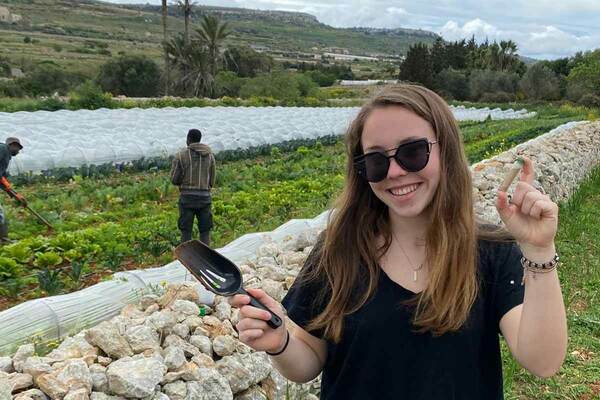
Mġarr, Malta
Lacking lakes, rivers, or reservoirs and thus relying on groundwater and desalinization, Malta faces rapidly approaching challenges due to climate change. This undergraduate spring break project examined whether Maltese soil is negatively affected by recycled water irrigation by analyzing and comparing soil pH and nutrient levels from farms irrigated with freshwater and recycled water.
Faculty Advisor: Donna Glowacki
The student assisted Corrymeela with their "Mapping the Peacebuilders" project by creating a comprehensive resource of publications authored by Corrymeela Alumni and establishing a network of Corrymeela Alumni.

Vatican City; Rome, Italy; Dublin, Ireland
This undergraduate fall break project compared the deep veneration of Mary in the Catholic Church with the silencing of female Catholic religious, specifically the nuns in Northern Ireland and the sisters in Rome who write for Women Church World, and survivors of sexual violence on Catholic campuses in the United States. The project sought to answer how religious institutions either inadvertently or explicitly silence the voices of survivors through forced forgiveness, exclusive policies, and victim-blaming rhetoric and practices. The project also considered how female religious leaders are reshaping the narrative and interpretation of religious text and how this feminist hermeneutical work may set the Catholic Church up to be more inclusive of female voices in the future.
Faculty Advisor: George Lopez
Athens, Greece
This undergraduate winter break project investigated social implications of the construction of the first mosque in Athens, Greece since the Ottoman Empire’s occupation of the city in 1833. The project focused on whether Muslim migrants are encouraged by the construction of a public mosque in Athens as a sign of acceptance and support of their religion, and how conservative Greeks are responding to the construction.
Faculty Advisor: Rev. Robert Dowd, C.S.C.
Notre Dame, Indiana
This faculty grant sponsored a visit from Sandro Cattacin, a professor at the University of Geneva (Department of Sociology). Cattacin spoke at the Mendoza College of Business’s spring 2019 lecture series “Ten Years Hence,” presenting on European, Middle Eastern, and North African migration patterns and the Swiss national guest worker program. He also engaged with students in discussion and networked with faculty members.
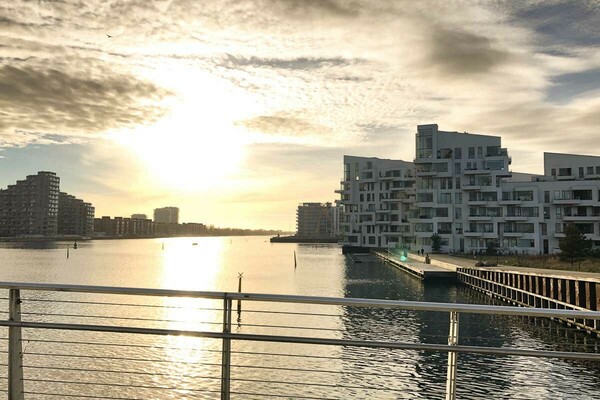
Copenhagen, Denmark
While in the United States race data is collected in demographic surveys, most European governments collect ethnic data and prohibit race data in adherence to a “color-blind” narrative and a priority to monitor migration trends and assimilation. This graduate student project explores the differences in daily experiences between multiracial “ethnic-Danes” and white ethnic-Danes, the former of which confirm insider and outsider status. The project sought to contribute to literature by studying this phenomenon in a smaller country where populations are not enumerated by race and demonstrating that official government categories are not necessary for racialization processes to occur.
Faculty Advisor: Terence McDonnell
Notre Dame, Indiana
This faculty grant provided funding for a virtual discussion with Nabil Wakim, a journalist for the French newspaper “Le Monde” and author of L’arabe pour tous: Pourquoi ma langue est tabou en France. In his book, Wakim discusses France’s relationship with the Arabic language in the context of growing islamophobia within the country. The virtual discussion was centered around the book.
Berlin, Germany
This graduate student project studied how Zazaki-speaking immigrants and their descendants build their communities through everyday life practices in Germany. The project consisted of anthropological research in the form of long-term participant observation. The research done in this project informed a dissertation which explored how group identity is expressed across nation-states among minority immigrant populations by focusing on domestic and international migration of Zazaki speakers in western Turkey and Germany.
Dover, England; Calais, France; Rotterdam, Netherlands
In discussions concerning a no-deal Brexit, port cities along the English Channel have been largely overshadowed by the legal questions surrounding the border between Northern Ireland and the Republic of Ireland. This undergraduate winter break project investigated to what extent cities along the Channel would be affected by various models of custom checks, and whether regional governments and shipping companies have largely accounted for potential border checks. The project analyzed the scope of these potential outcomes and other negative externalities arising from a hard Brexit based on predictions from various actors in Dover, Calais, and Rotterdam.
Faculty Advisor: Susan Page
Vatican City
This graduate student project examined the life and career of Ella B. Edes (1832-1916), an American lay woman who worked in Rome as a journalist for many Catholic publications and acted as a translator, money manager, and reporter for the Propaganda Fide, the Holy See’s congregation for overseas “mission territories.” In contrast to earlier historians who viewed Edes primarily as an “agent” of bishops trying to advance their causes at the Vatican, this project investigated the broad scope of Edes’s life and work in Rome and the meaning of her “peculiar position” as a person of influence whose official recognition and advancement at the Vatican was severely limited by her gender.
Faculty Advisor: Kathleen Cummings
Calabria, Italy
This faculty grant provided funding for three faculty and two select graduate students to research and travel to Calabria, Italy. The research group met with local scholars, visited sites, and investigated cultural institutions dedicated to heritage development of minority languages, local histories, and archaeology.
Copenhagen, Denmark; Malmo, Sweden
Swedish and Danish ecovillages promote deeper connections with nature, nearby communities and other citizens. This undergraduate fall break project studied best practices for community-based and nature-centric villages with a focus on those who care for the dwellings and community spaces and how they were integrated into the broader urban landscape.
Faculty Advisor: Kimberly Rollings
Lisbon and Coimbra, Portugal
When discussing the refugee crisis, Portugal is often overlooked; while many immigrants do not even consider the country as a destination, it has agreed to take double the number of immigrants allocated to them by the EU. This undergraduate spring break project investigated what the attitudes toward immigrants, particularly Syrian/Middle Eastern refugees, are like in Portugal and what the country has done proactively to either attract or deter immigration. The project interviewed government officials, NGOs, migrants, and Portuguese citizens.
Faculty Advisor: Marcio Bahia
Paris, France
This faculty grant supported a course taught in the Notre Dame Summer Study Abroad Program in Paris, “Postcolonial Paris: Contemporary French Cultures in Literature and the Arts.” The course concentrates on the ways contemporary “French” cultures are reconsidered and redefined by writers and artists from outside France. The course explores novels by immigrants and second-generation immigrants, critical articles and book chapters by contemporary scholars and politicians, films, and cultural events including a ballet at the Opéra Garnier.
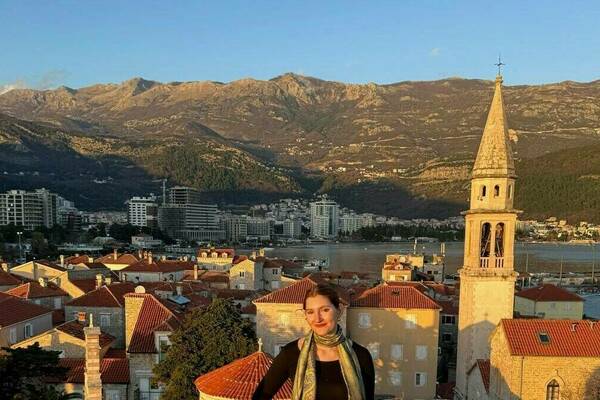
Montenegro
The student's work encompassed both peripheries and memory and remembering, with a specific focus on Montenegro. Montenegro's ambiguity as a country rarely discussed in conversations about the war intrigued the student. They noted the scarcity of sources written since Montenegro's independence in 2006, both in English and Montenegrin.
Their research delved into the politics of memory, exploring how Serbian/Russian and American/EU influences exerted different pulls on Montenegro. This exploration aimed to shed light on Montenegro's viewpoints, often unknown to the outside world, and to examine how these influences shape the country's narrative and memory of historical events.
London, Gloucester, Bradford, and Wigan, England
This graduate student project explored how nineteenth-century British women writers used representations of physical mobility to resist or critique restrictive gender ideologies by analyzing both contemporary fiction and women’s life writing. The project suggested that the ability to travel, even on a small scale, played a significant role in how women conceptualized their relationship to convention. The project sought to contribute to scholarship by offering fresh insights on a neglected aspect of women’s mobility and placing a new emphasis on women’s ability to navigate and resist social restrictions in their everyday lives.
Faculty Advisor: Sara Maurer
The student traveled to Italy to conduct primary source research in Milan and Livorno and to participate in the Rome Archive Seminar. The student’s project entailed analyzing how Italian artists and intellectuals have recounted and represented both their distance from (“Lontananza”) and closeness to the Korean War. The student aims to explore Italian representations of the War and examine rare primary materials demonstrating wartime and postwar relationships between Italy and Korea, as the naming of the peripheral area ‘Coree’ is linked to the Korean War. Despite the prodigious interest in the Korean War, Italy’s peculiar ways to relate to the Korean War has yet to be excavated or explicated in any comprehensive sense.
Seville, Spain; Rome, Italy
This graduate student project examined the ways that the serial, incomplete emancipations toward the independence of the Dominican Republic transformed race and the institution of slavery in the colony. The project followed the activity of the colonizing powers (Spain, France, and Saint Domingue/Haiti), slave holders, and freedom-seekers in slave markets, criminal courts, notarial offices, plantations, and churches in a colonial struggle for freedom. The project also collected material for a secondary research topic concerned with how mahogany shaped racial ideas, freedom, landholding, and state-building in the Spanish Empire from the sixteenth through nineteenth centuries.
Faculty Advisor: Karen Graubart
The student traveled to France and Belgium to study archival sources in libraries to gain a better understanding of St. Mary of Egypt. St. Mary of Egypt was a repented prostitute whose life took place in the 5th century in the Palestinian desert. She was the most famous of the medieval Desert Mothers and of the so-called “Harlots of the Desert.” In recent decades, musicologists have emphasized the role of saints and their musical celebration within medieval liturgy and focused on hymns, sequences and histories, sets of liturgical pieces which narrate saints' lives. This project analyzes how the liturgy interprets saint Mary of Egypt and investigates how the performance of words and sounds create liturgical Mary. The student’s analysis reveals the extent to which religious literature and music for Mary of Egypt expounds ideas and value of the time.
Geneva, Switzerland; Brussels, Belgium
This undergraduate fall break project continues summer research on-site in Geneva, Switzerland and Brussels, Belgium. The project questions how European agencies, international agencies, and non-governmental organizations based in Europe are responding to the influx of refugees generally and providing for the most disadvantaged and vulnerable population—those with disabilities. The project included visits with the International Rescue Committee, the International Committee of the Red Cross, and the European Commission, among others.
Faculty Advisor: George Lopez
Notre Dame, Indiana
This faculty grant sponsored a screening of the film Habemus Feminas at Notre Dame’s Browning Cinema and a discussion with filmmaker Silvan Maximilian Hohl from Switzerland. The film captures a 2016 pilgrimage of women from St. Gallen, Switzerland to Rome that demonstrated “the Catholic Church in solidarity with women” and submitted a petition to Pope Francis.
Madrid, Spain
This undergraduate fall break project explored the curtailing of government-funded, gender equality Institutions in Spain following the 2008 economic crisis. The project examined whether women were at greater risk for unemployment than men in Spain and if women experienced less economic mobility as a result of the austerity policies adopted in Spain following the 2008 economic crisis.
Faculty Advisor: Mary Flanner
United Kingdom
This faculty grant provided funding for an interdisciplinary conference exploring the complex reality of xenophobia and what role it played in medieval and early modern societies within Europe and beyond. The conference had a special focus on the domains and intersections of literature, religion, theology, politics, and history, featuring keynote speakers and panel conference papers highlighting new ways of thinking about the issue of “the stranger” in this historical context that can inform our contemporary understanding.
Oslo, Norway
This undergraduate spring break project explored questions about refugees and their effects on the identity of Norwegians, considering how refugees’ experiences shape Norwegian culture, and how institutions are shaping attitudes towards these changes. The project looks at the issues through the lens of the blending of refugee/Norwegian culture through institutionalized and structural approaches, and the lens of cultural blending through unstructured socialization.
Faculty Advisor: Justin McDevitt
Athens and Examilia, Greece
This faculty grant supported a Roma soccer team in the village of Examilia outside of Ancient Corinth, Greece. The team, which had a transformative effect on the village and its young men, had lost its primary sponsor, and needed extra funding. The team was a way for young Roma to escape the cycle of drug usage in the village and provided a way for them to integrate and be accepted in Greek society, where they have been historically ostracized.
Olot and Madrid, Spain
This graduate student project investigated different narratives and images of female bodies’ inspections (medical, inquisitorial, juridical, and ethnographical) that shaped the definition of gender in the Hispanic world from the sixteenth century to the present in relation to other European theories and knowledge about anatomy. The project conducted archival and bibliographic research and examined anatomical and artistic sculptures and models to inform a dissertation on the subject.
Faculty Advisor: Carlo Jauregui
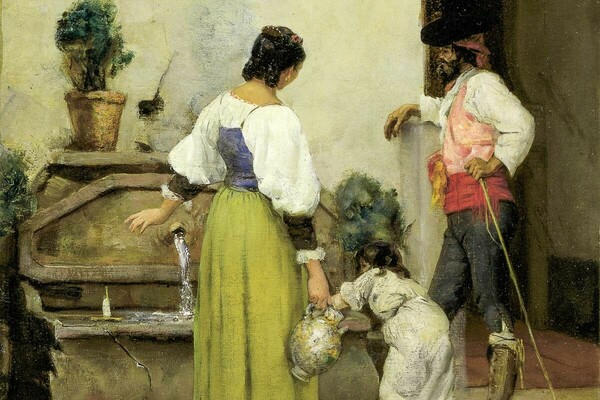
Image Credit: At the Water Trough by J. Alden Weir, 1876-1877, Smithsonian American Art Museum.

As a Brazilian international student fluent in Portuguese, Leticia Cardoso is fascinated by the intersectionality of migration, economic development, and labor market dynamics. At Notre Dame, she studies Business Analytics, Global Affairs, and European Studies, and she is constantly intrigued by Portugal’s impressive first-place ranking in the Migration Integration Policy Index (MIPEX) for labor market mobility. MIPEX assesses the effectiveness of policies designed to promote migrant integration across various dimensions, including labor market access. This outstanding rating reflects the country’s commitment to fostering an inclusive environment for immigrants, particularly those from former colonies like Brazil. Yet, although shared language and cultural similarities can ease cultural assimilation, Cardoso suspects that other significant factors may hinder migrants from effectively navigating the labor market. By assessing the broader socio-economic landscape that shapes the experiences of migrants, she conducted an independent research project to evaluate Portugal’s strategy towards effective integration policies.
Cardoso’s research project was guided by the following question: What mechanisms have facilitated the integration of migrants from former Portuguese colonies into Portugal's labor market? Her research methodology utilized a mixed-methods approach, focusing on literature review, statistical data analysis, and targeted fieldwork in Porto, Gaia, and Lisbon of Portugal. Before departing for Portugal, she drafted a thorough literature review to assess existing academic research and policy documents related to migration from former Portuguese colonies to Portugal. The final review encompassed studies on integration mechanisms, economic contributions, and social dynamics within migrant communities. Next, Cardoso employed statistical data analysis to examine trends related to employment, wage levels, and industry participation of migrants from former colonies. This quantitative analysis supported the identification of patterns in labor market integration, helping to assess the economic contributions of these migrant groups. To enhance the research's authenticity and relevance, the project included targeted fieldwork, focusing on engaging with policymakers and organizations involved in migrant integration. This direct engagement provided insights into the effectiveness of current integration policies and practices, as well as identifying gaps and opportunities for improvement.

Ultimately, Cardoso’s research sought to enhance the discourse on migration and integration in Europe, offering valuable insights that can guide policy decisions and foster a more inclusive society. By highlighting the contributions of migrants from former colonies, her project supports the Nanovic Institute’s mission to address critical global challenges through interdisciplinary research, emphasizing the importance of integrating diverse perspectives in shaping effective migration policies. As she applies her research to her senior thesis for Global Affairs, Cardoso is eager to contribute to a broader dialogue on these critical issues, with a clearer understanding of the pressing needs and potential solutions for migrant communities in Europe.
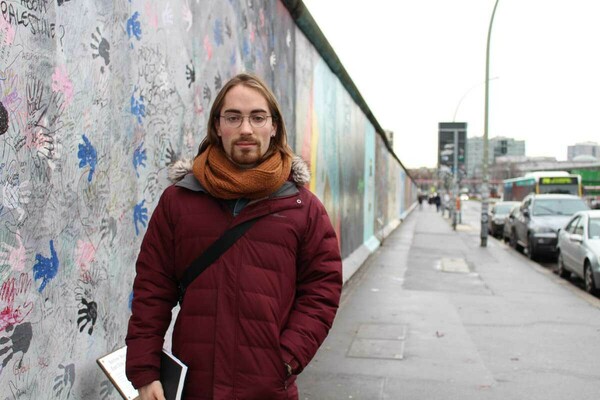
Berlin, Germany
This undergraduate winter break project examined the impact of designed, isolating borders in a dense urban environment by studying the Berlin Wall’s architectural and cultural legacy. The project focused on what land was reclaimed from the Wall by Berliners, how the land was reclaimed, and how the Wall’s history has been celebrated and maintained. The project also suggests design remedies to areas that remain in disuse from the Wall’s deconstruction.
Faculty Advisor: Ettore Mazzola
London, England; Madrid, Spain; Rome, Italy
Public spaces in urban environments have historically played a crucial role in developing democratic political cultures, giving people places to interact with each other in political demonstrations, conduct business, or share leisure—places in which they develop civil society. This undergraduate summer break project examined the precautions raised in public spaces following terrorist attacks which make public spaces less welcoming, or at worst hostile. The project documented temporary obstacles found in public spaces in London, Madrid, and Rome, and aimed at developing empirically-based solutions for guaranteeing public safety in urban environments.
Faculty Advisor: Ingrid Rowland
London, England
This graduate student project explored female education reform in India and the people who held the most power to enact it—British women and elite Indian men, the latter of which adopted a veneer of whiteness to become “native gentlemen.” The project investigated how this specific performance of race and gender allowed white women and Indian men to form professional partnerships even during the final century of the British Empire, a period where both groups were strictly segregated.
Faculty Advisor: Fr. Robert Sullivan
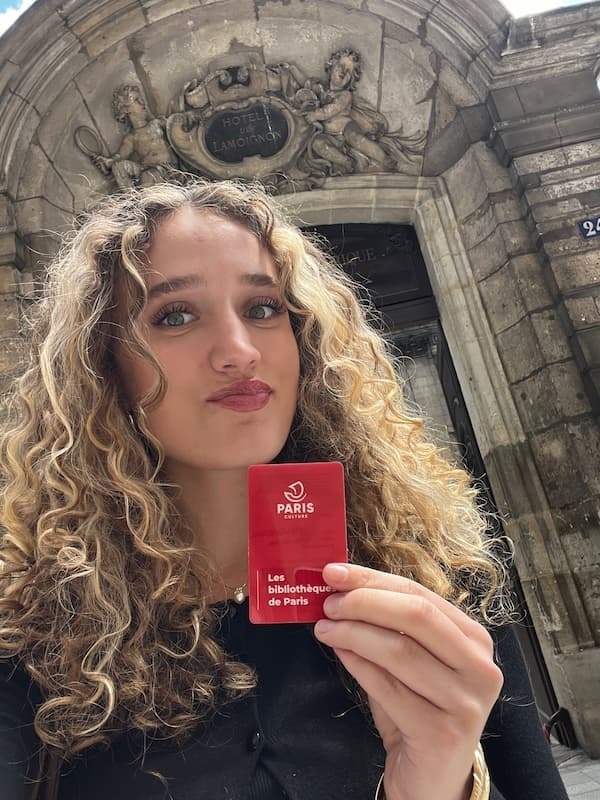
With support from the Nanovic Institute, the Notre Dame Stamps Scholars Program, and Dr. Anne Seul, Lichtenberger’s research project sought to analyze immigration-related policies and public perception of immigration in Paris, France. Having attended a French school for almost a decade as well as nurtured a long-standing interest in immigration policy, she was drawn to examine how French colonial history, particularly the 20th century, reverberates through modern immigration frameworks. Specifically, she hoped to explore the following: How does France’s colonial history shape contemporary immigration policies and public perceptions of migrants in Paris, and how do these historical influences manifest in the lived experiences of immigrant communities today? Her guiding question pertained to examining how France receives migrants (primarily measured through comparing written policy and policy implementation) and, secondarily, how public perception of migrants has evolved and what factors may have contributed to this trend. Understanding that colonial legacies are essential for analyzing modern immigration flows, policies, and public attitudes, Lichtenberger sought to explore post-colonial migration patterns that have shaped the demographic and cultural landscape of Paris.
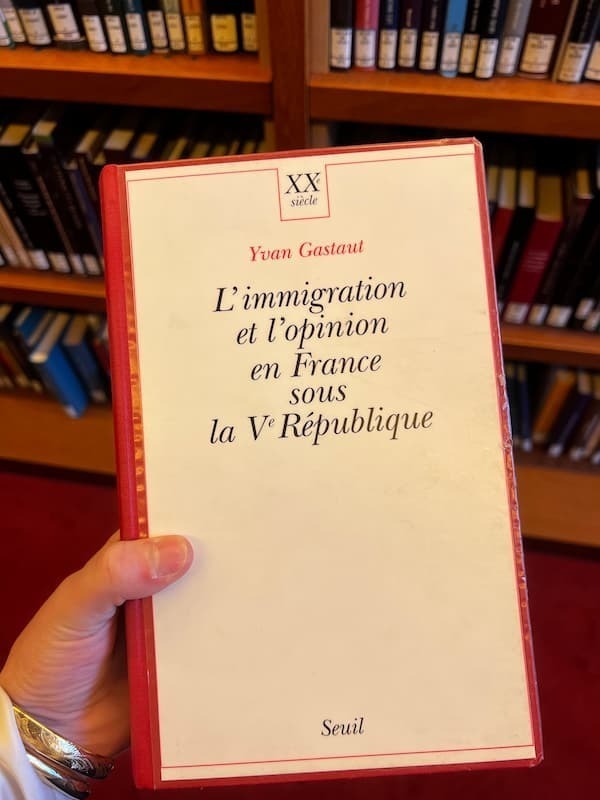
While in Paris, Lichtenberger conducted museum-based research at sites of “living texts”: Musée de l'Histoire de l'Immigration (Museum of the History of Immigration), Musée de Paris (Musée Carnavalet), Musée du Quai Branly – Jacques Chirac, and Palais de la Porte Dorée. She also conducted archival research at the Bibliothèque Historique de la Ville de Paris (BHVP) and BnF - François Mitterrand. By carefully comparing historical documents, academic books, policy records, and museum exhibitions, she traced how colonial relationships continued to influence integration policies, spatial segregation, and national identity long after formal decolonization. Lichtenberger’s key takeaway from her research was the significance of preservation and presentation of information in historical narratives: “The silences, omissions, and curatorial choices often spoke just as loudly as the facts themselves.” Across various archival spaces, differences in representation of historical events pushed her to think critically about how memory is constructed, who gets to tell the story, and how institutions shape collective understanding through what they choose to preserve, and what they leave out.
Housing is fundamental to well-being through various channels, including access to decent shelter, healthcare, environmental quality, efficient use of scarce resources, and the type and extent of commuting. However, the housing crisis, which manifests differently across the globe, threatens many livelihoods. Afro-descendent and immigrant communities on the peripheries of London and Lisbon are disproportionately impacted. This capstone project investigated the political constraints to housing policies addressing the fundamental problem of supply. The trend of commodifying housing as an asset rather than recognizing it as a right creates a system of winners and losers.
This research engaged with the deeply structured political realities that perpetuate disadvantaged economic and social institutions, as well as policies that adversely affect the economic and physical well-being of racially and economically marginalized groups. From a historic and comparative perspective, the project identified opportunities to rectify path dependencies and reform housing policies.
Brussels, Belgium
This undergraduate spring break project studied what systems are in place through NGOs to alleviate the issue of increased immigration that has faced Brussels’s government since 2015. The project focused on interactions with social workers and volunteers on the frontlines of the problem in Maximilien Park.
Faculty Advisor: Emilia Powell
London, England; Strasbourg, France
This undergraduate summer break project examined the experiences of the Roma in two different countries, England and France, to study the complex interactions between individual Roma populations and the communities in which they live. The project aimed to understand the Romani within the context of their specific, diverse communities, and recognizes the non-homogenous economic, social, and cultural circumstances of each culture group.
Faculty Advisor: Emma Rosenberg
Cortona, Italy; Valletta, Malta
This architectural winter break study sought to understand the influence of the Italian Renaissance ideals on the capital city of Malta. The project also studied the development of the work of Francesco Laparelli across national borders and project genres.
Faculty Advisor: Steven Semes
The student traveled to Istanbul to conduct archival research on the revolt of the Zealots in Thessalonica in 1347 against which Emperor Kantekouzenos sought the help of the Aydinid Turks, the joint rebellion of the Byzantine and the Ottoman princes against their fathers in 1373, and the revolt of Sheikh Bedreddin in 1416 that brought Christian and Muslim peasants of the Balkans under the same banner against the Ottoman ruling elite. The project aims to examine the role that the Turks played in the shaping of modern European identity, as previously, they have been dismissed as an imaginary other. The research demonstrates that the socio-political transformation of Asia Minor and the Balkans was by no means only a product of a struggle between different polities of the region but also a product of the continuous struggle between rebellious subjects and ruling elites, a struggle that often brought “hostile” ruling elites together. In doing so, this project ultimately seeks to better understand the social and political implications of the large-scale migration of the Turkic tribes into Asia Minor and the Balkans.
Inishbofin, Letterfrack, and Fountainhill, Ireland
This undergraduate fall break project analyzed how natural resources have been integrated into the culture of rural life and if that culture is sustainable in contemporary livelihoods. The project served as research for a scholarly paper and documentary exploring the use of traditional knowledge regarding the use of natural resources in Co. Galway, Ireland and analyzing how cultural practices have resulted from the local environment.
Faculty Advisor: Ian Kuijt

Dublin, Ireland; Belfast, Northern Ireland
Scholarship on women’s roles during The Troubles has often simplified them to that of supporters or peacemakers. This undergraduate summer project moved past the traditional view of women working as peacemakers and enriches our understanding of how women and gender influenced paramilitary groups and violence during and after The Troubles. The project focused on women’s participation in the Ulster Volunteer Force and the government-organized Ulster Defence Regiment rather than their roles in the IRA.
Faculty Advisor: Gail Bederman
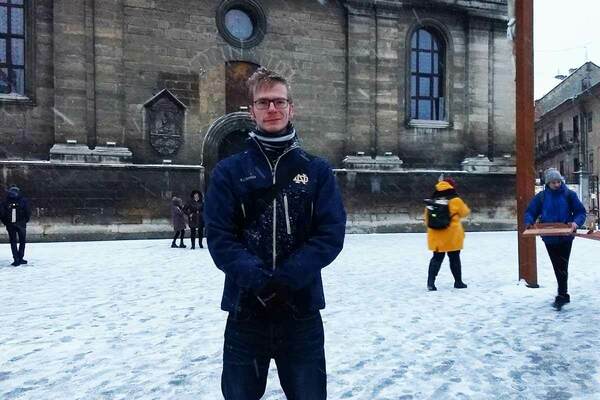
Lviv and Kjiv, Ukraine
This graduate student project investigated questions of identity, nationalism, and geopolitics involving Ukraine and Russia, specifically to what extent the 2012 Ukrainian Language Law consolidated the Ukrainian identity. The project sought to better understand Ukrainian perspectives on identity and citizenship among the public and the government through survey/focus group data and interviews with community leaders, academics and experts, and journalists.
Faculty Advisor: James McAdams
Quietly, and in some ways unnoticed, the small farms and historical life of rural Europe are quickly disappearing. Relevant to the European Union, Hugh Thomas (2017) asks the hard question: “Could the small, family farm all but die out in the next 30 years?”. Rural areas in Europe host more than 55% of the overall population, are defined by unique and specific cultural and natural heritage, and yet are rapidly being abandoned. Over the last 20 years young people have flocked to European cities, given up on family farms, with farms abandoned in less productive areas and absorbed by huge agri-food business (Harvey 2021). Intensification, with the abandonment of small-holding farms has been driven by the European Union’s common agricultural policy (CAP) which has dominated Europe’s farming since being introduced in 1962. Discussing the European Union’s common agricultural policy (CAP) EU agricultural commissioner J. Wojciechowski stated “The reason we lost 4 million farms in the EU was a mistake in the CAP. The support was too much to industrial farming and not enough to small and medium farms.”
The abandonment of European rural farm life is often framed as an economic and policy problem. Harvey’s (2021) observation that “…. there has been a huge intensification of farming and that small farms have been lost”, mask a horrible loss of heritage, history, and importantly, small-scale rural ways of life. Overlooked in abstract conversations is the hidden and very human dimension of the abandonment of small-scale household farming. Farms, barns, and farmsteads are places of regional and national history, speaking to historical past. There is the need to understand the overlook and hidden rural world, the commonalities and contrasts of the European rural life in the face of agro-buisness, the on-going transformative process of rural change in different countries, and how this process speaks to the past and future.
Clermont-Ferrand, France
This graduate student project undertook the process of editing, transcribing, and translating Vie de Saint-Léger, a tenth-century biography that is an early monument of French literature. The biography, which had no critical editions or translations into the English language, speaks profoundly to contemporary problems in European life, as it recounts a story of interregional migrations, their dangers, and their controversies. The project conducted archival research in Clermont-Ferrand, France on the biography to gather essential notation and letterforms often incorrectly copied and therefore mistranslated.
Notre Dame, Indiana
This faculty grant aided in funding publication for a co-edited volume on the topic of women and work in contemporary France. The contributions for the volume tackled a wide range of work experiences from salaried work in academic, artistic, corporate, and working-class worlds to unpaid—reproductive, domestic—labor, illegal activities, and activism.
The student traveled to the United Kingdom to conduct research at various archives on women’s organizations in the early twentieth century. The student’s research centers on women’s work and organizations, looking for how Catholic women understood gender roles and how anti-Catholic rhetoric was used to suppress work like labor and rights organizing. A significant portion of this research focuses on middle-class and elite converts to Catholicism, delving into questions about why these women chose to enter the Catholic Church at the height of anti-Catholic sentiments, how they constructed their faith independent of the influence of Catholic men, and how they understood their citizenship in Protestant nations. By expanding to consider the experiences of women outside of the U.S., the student draws out similarities and differences between how Catholic women in both nations negotiate their citizenship and identity in societies where they experienced anti-Catholicism.