
for European Studies
Memory and Remembering
What are the politics and ethics of memory and representation in contemporary Europe?
What are the politics and ethics of memory and representation in contemporary Europe? How do European societies remember their diverse and collective histories? Whose stories are represented as a part of public memory?
The Nanovic Institute is interested in projects investigating the politics and ethics of remembrance in contemporary Europe. Our focus on memory includes
We are interested in studying cultures of remembrance broadly in Europe–including post-Holocaust, Socialist, post-colonial, and fascist memory–to understand how and why communities in Europe represent their diverse histories. What are the stakes of memory and representation? How have individuals fought for recognition of their experiences as a part of local and national memory?
The Nanovic Institute and its affiliated scholars and faculty fellows are currently conducting and compiling research for a book on monuments, public memory, and contesting the European past.
This project takes the toppling of Edward Colston’s statue by anti-racist protestors in Bristol in June 2020 as an inspiration and a springboard into discussions of how memory unites, as well as divides, and if memory can heal wartorn societies. What histories are silenced by the lack of a monument and what does this silence indicate about a country’s public claims about its past? How should nations who once had authoritarian or colonial regimes remember those pasts?
All of these questions are vital parts of the institute’s current work, which will culminate in a book publication. Dialogue and participation by interested scholars is highly welcome as this project continues to grow.
Another project that engages with this area directly is the Sites of Memory in Contemporary Europe student research exhibition. This multi-year project allows students to study a site of contested history that still affects the present while already in Europe for a summer break project, internship, or coursework. The project has already catalogued a wide variety of sites, and the collection grows each year.
In 2023, the Laura Shannon Prize was awarded to Stella Ghervas for her book Conquering Peace: From the Enlightenment to the European Union (Harvard University Press, 2021). It examines the history of peacemaking in Europe and how post-war efforts to sustain peace emerged after the War of the Spanish Succession, the Napoleonic Wars, World Wars I and II, and the Cold War. In November 2023, Ghervas will deliver her prize lecture, centering on the topic of human dignity, at the University of Notre Dame.
Learn more about Stella Ghervas' prize-winning book
Are you interested in pursuing a project on memory and remembering in Europe? If so, you are invited to learn more about Nanovic Institute grants and how to apply for them. There are different processes for different types of projects, so please share your research interests in the form linked below.
Switzerland
This faculty grant provided funding for travel to Switzerland needed for research on John Deak’s emerging book project and making connections with local historians. The research focused on one of the last cases of Ehrennotwehr, or urgent defense of honor, before the First World War. This case occurred in Davos, Switzerland, in which an Austro-Hungarian officer challenged and later murdered a man from London who had insulted him.
Jadero’s project investigates the role of Avignon in the Catholic church and in Europe. By visiting historical sites like the Palais du Papes, she aimed to explore the cultural legacy of the medieval city. Her research was guided by the following questions: How do the Palais des Papes and Pont du Gord symbolize medieval ecclesiastical power and what positive and negative socio-cultural implications has it had in Avignon? What has the world forgotten about Avignon’s papacy, or what should be remembered by the world today and how should it be remembered?
Jadero’s adventures were supported by a six-week-long summer language program at the Institut D’avignon. The program enabled Jadero to embark on fieldwork treks to explore ancient sites, attend historical seminars, engage with local experts to gain local insight, and assess past findings from the program’s former students. Visiting sites with native residents of Avignon and fellow students in the Institut D’Avignon program encouraged in-depth exploration of the papacy in Avignon. Appreciating the program’s collaboration with Avignon professors and its connection to past and ongoing research projects, Jadero valued input from the scholars of the region.
Notre Dame, Indiana
This faculty grant provided funding for hosting Almudena Carracedo, director of El silencio de otros. The documentary focuses on victims of the Franco regime who continue to seek justice, and it won the Goya Award for best documentary film in 2018. Carracedo attended Aguilera-Mellado’s class on Spanish film, which held a screening of her documentary and a Q&A session with her.
Versailles, Sèvres, Paris, and Chartres, France; Basel, Switzerland
This graduate student project studied the concept of historical amnesia and art created as objects of cultural memory, specifically the cultural memory of porcelain objects in the context of historical European monuments and contemporary European installation art. The project focused on recontextualizing eighteenth century porcelain objects that were made right before the French Revolution, juxtaposing them with contemporary forms of semiotics (specifically food and technology) to talk about issues of class and inequality, historically and today. The project investigated historical and contemporary porcelain artworks housed in different exhibits to gain inspiration from these site-specific works as examples of how to create affective environments for housing sculptures.
Faculty Advisor: Bill Kremer
Rome, Italy; Barcelona, Spain
Temporary by nature, the Olympic Games’ tradition of changing locations poses a problem for architects—how can they impress athletes and visitors with revolutionary structures while preserving local urban characteristics and long-term sustainability? This undergraduate winter break project examines successful examples of Summer Olympics developments as models of sustainability by analyzing the inherent benefits of integrated sustainable design at architectural and urban scales.
Faculty Advisors: Selena Anders, Krupali Krusche
Bremen, Germany; Amsterdam, Netherlands
This faculty grant provided funding for archival research in Bremen, Germany and Amsterdam, Netherlands on Elisabeth Markstein, Aleksandr Solzhenitsyn’s main liaison in the West.
Athens, Greece
This undergraduate spring break project analyzed the ruins of ancient Greek architecture, the inspiration for the great feats of Roman Classical architecture and many periods since. The project employed methods from the tradition of many great architects from the last two centuries, including on-site sketches, measured drawings, field notes, and watercolor.
Faculty Advisor: Ingrid Rowland
Connemara, Ireland
This faculty grant aided in funding the conclusion of the Dresser Project, a research project focused on western Ireland. This project combined multidisciplinary approaches to materiality and homemaking to investigate how people in rural Connemara villages sustained their communities after waves of emigration. The project investigated tangible strategies of those who remained in their homes despite the often-overwhelming adversity associated with staying amidst the tumult of the nineteenth and twentieth centuries.
The project aimed to document the traditional brickmaking process by conducting interviews with master brickmakers and conducting on-site surveys at Fornace Bernasconi in Castel Viscardo, Umbria, Italy. Hand drawings and 3D models were created collaboratively with another architecture student who had received an NI internship grant.
London, England; Ypres, Belgium; Péronne and Verdun, France
This faculty grant provided funding for fall break travel as part of an interdisciplinary course on the First World War, entitled “The Great War and Modern Memory.” Twenty students traveled to Europe, visiting principal sites of the war and its commemoration in the United Kingdom and along the Western Front in Belgium and France, including Ypres and Verdun. Students were encouraged to think about the war from the perspective of soldiers on the front lines as they visited museums and explored the battlefields.
London, England
This undergraduate summer break project explored connections between the strategies and outcomes of British political and military responses to Cold War containment efforts at the end of British empire, focusing on the Malayan Emergency and the Mau Mau uprising as case studies. The project aimed at uncovering how the British understood these uprisings and developed their military strategies, studying what aspects of these conflicts should (or should not) be applied to modern military efforts. The project ultimately compared these conflicts to the development of American counterinsurgency and foreign policy, specifically in the Iraqi and Afghan conflicts.
Faculty Advisor: Paul Ocobock
The research aimed to investigate the linkages between the increasing social, economic, and political complexities in prehistoric village life and prehistoric migration across the Mediterranean Basin in Europe from the Early Neolithic (c. 10,000 BCE) to the Late Bronze Age (c. 1,200 BCE). This was pursued through archaeological excavation at Kissonerga-Skalia, Cyprus, where the student participated in a field project associated with the Cyprus American Archaeological Research Institute.

With the support and guidance of the Nanovic Institute, Franco Family Institute, Dr. Katie Bugyis, and Father Greg Haake C.S.C., Eric was able to travel to France to delve deeper about an academic interest that he has fostered since his sophomore year: Pierre de Ronsard, the 16th-century French Renaissance Lyric Poet, and his work’s connection to Ovid’s Metamorphoses. He anticipated his research to mostly involve visiting the residential and academic spaces that Ronsard frequented during his lifetime. Derr’s primary goal in France was to develop a sense of Ronsard’s literary education and later understanding of his position in the literary canon.
Due to the rather shocking manipulation and changes in narration and focalization that Ronsard makes in his adaptation of Ovid’s stories, the poet demonstrates how past imaging and messaging can be reused for purposes varying greatly from their original context and usage. Therefore, Derr aimed to explore how the demoralization of Ovid’s stories by Ronsard can serve as a way of understanding how media and culture, when removed from its original context, can be co-opted by parties with beliefs and ideas much different from those of the original creator.

Eager to learn if Ronsard’s work was heavily influenced by earlier editions of Metamorphoses, most of Derr’s time in France was spent in the rare books room at the Bibliothèque Nationale de France (BnF) (French National Library). Derr was able to analyze a translation of the first book of Ovid’s Metamorphoses by Clément Marot (1536) and original editions of Ronsard’s sonnets from 1552, 1553, and 1592. Carefully examining these books and their contents, condition, and binding allowed Derr to more fully understand not only how the Metamorphoses were understood in Ronsard’s time, but also how audiences may have received Ronsard’s poetry during his life and posthumously. Additionally, Derr visited the Prieuré Saint Cosme in Tours, where Ronsard wrote many of his works and is now buried. He specifically hoped to examine the copy of Metamorphoses that Ronsad had possessed during his lifetime. Yet, unable to receive immediate answers to his main research question due to reconstruction occurring in the library and the main curator’s occupation with organizing an exhibit, Derr was eventually able to receive a referral to a Ronsard specialist who analyzes the artist’s poetry construction and physical literary sources. Encouraged to keep in touch with the museum to update the staff on his research project, Derr was grateful to have forged a lasting academic relationship with Prieuré Saint Cosme. He aims to use the invaluable experience to support his senior thesis, which he hopes will offer a more complete analysis of Ronsard’s utilization of the Metamorphoses.
Notre Dame, Indiana
This faculty grant provided funding for the development of a history course on Nazi Germany. The course aims to go beyond the narrow histories of Germany and open the topic up to its full European dimensions.

Inha Park is a third-year Ph.D. student in Italian Studies. She focuses on re-examining Italian national identity from a transnational perspective, with particular interest in peripheries in Italy and their relation to marginality within the broader world system. Specifically, her dissertation examines the cultural encounters between Italy and Korea from the Cold War period through the era of globalization. With support from the Nanovic Institute and the Center for Italian Studies, Park traveled to Milan and Livorno to examine the less-studied relationship between Italy and Korea in the field of transnational Italian studies.
In her summer research project, Park explored the emergence of the Corea (Korea) neighborhood in areas peripheral to major Italian cities. Her goal was to conduct archival research to investigate how these neighborhoods have been represented and recounted across a wide range of cultural materials. By examining a wide array of cultural productions such as newspapers, periodicals, magazines, newsreels, paintings, and films, Park argues that this naming practice, which is largely unrelated to the presence of Korean migrants, reflects a comparison between the humble living conditions of southern Italian migrants in northern industrial cities during the 1950s and widely-circulated images of devastation from the Korean War. Given that many residents were southern Italian but racialized as black or African, Corea neighborhoods embody intersections of Southernness, Koreanness, and Blackness, radically opening up questions regarding the concept of ‘race’ and ‘periphery’ within Italy.

Spending twelve nights in Milan and five nights in Livorno enabled Park to support her dissertation project with ample resources from Italian archives. Her dissertation, provisionally entitled “Moving Images and Analogical Imagination: Renegotiating National Identities between Italy and Korea during the Cold War (1950-1963),” has benefited greatly from archival materials that highlight the significant role of Korean cultural products in shaping and redefining postwar Italy.
The student participated in the San Gemini Preservation Studies Program, a hands-on preservation initiative emphasizing the study and restoration of historic buildings. Following the program, they applied the techniques acquired to research historic buildings in Madrid and Salamanca. This research formed part of a broader comparative project exploring the architecture of Spain and Mexico.
Notre Dame, Indiana
This faculty grant co-supported a visit from Dr. Sabrina C. Agarwal (UC Berkeley), a preeminent scholar of bioarchaeological research on the anthropological causes and effects of changes in human skeletons over time. During her visit, Dr. Agarwal presented a public lecture on her research on Medieval Europe and feminist theoretical approaches to biographies of past peoples, and she spoke in Meredith Chesson’s “Archaeology and Gender” course.
Astana, Kazakhstan
This undergraduate winter break project explored the educational systems in ex-Soviet countries, investigating remnants of Soviet-era biases toward “hard” sciences. The project conducted interviews with educators and reviews of lesson plans to determine whether these biases exist in modern post-Soviet academia and industry.
Faculty Advisor: David Gasperetti
London, England
Focusing on the T4 euthanasia program that systematically killed an estimated 70,000 people with disabilities and mental ilnesses in Nazi Germany, this undergraduate fall break project explored the complex relationship between the ideologies of Nazi perpetrators and America’s own eugenic beliefs. The project utilized documents in London’s Wiener Library which holds the complete records of the UN War Crimes Commission.
Faculty Advisor: John Deak
Munich, Germany
This undergraduate fall break project conducted a comparative study between the urban plans of Munich’s Königsplatz and the Imperial fora of Rome, specifically the Forum of Trajan, to reveal the Königsplatz’ connections to the forum typology and understand how that typology was adapted. The project aimed to understand Paul Ludwig Troost’s motivations for planning the site as he did and gain a deeper knowledge of the reasoning behind the first Nazi platz and those that followed.
Faculty Advisor: Krupali Krusche
The Hague, Netherlands
This undergraduate fall break project explored the development and structure of international human rights systems, focusing on how amnesty laws preclude the threat of prosecution in non-domestic courts. The project considers the jurisdiction of the Nuremberg trials and compares its development to the International Criminal Court’s mandate, which includes crimes against humanity and war crimes.
London and Cambridge, England
This undergraduate summer break project explored the uneasy neutrality of fascist Spain during World War II and the British struggles to maintain Spanish neutrality. The project studied the intersection of the reality on the ground of Franco’s Spain, contemporary British perception, and actions taken by the British government, through the use of Hoare and the SOE to prevent Spain’s entry into the Axis powers. The project aimed to serve as an example of the gap between expectations and reality in international relations, particularly during wartime.
Faculty Advisor: Rev. Robert Sullivan
Berlin, Germany
An aging society, consistently low birth rates, and a rising influx of refugees has left the German population to consider what it means to be German, a question they have struggled to answer since the end of World War II and the rejection of Nazism. This undergraduate winter break project explored how architectural design can foster community, artistic creativity, and a sense of individual and national identity in modern Berlin. The project also employed traditional and modern German construction techniques to propose a mass-timber tower, aiming to bring Germany to the forefront of the global sustainability movement.
Faculty Advisor: Kim Rollings
Notre Dame, Indiana
This faculty grant aided in funding the German translation of the book Thomas Mann’s War: Literature, Politics, and the World Republic of Letters. The book focuses on the WWII-era US exile of the German author Thomas Mann and on the ways in which US audiences kept alive (and ultimately shaped) an image of “genuine German culture” during the Nazi period.
Athens, Greece
This undergraduate spring break project followed the footsteps of James Stuart and Nicholas Revett, two famous eighteenth century British architects, in understanding Greek architecture. This project compared the approaches, notes, and sketches of Stuart and Revett with those of the researcher, taken in twenty-first century Athens.
Faculty Advisor: Alessandro Pierattini
Athens, Greece
This undergraduate winter break project explores the question of how to best discuss and process death and dying in a clinical setting, studying how different cultural traditions deal with this process. The project focuses on Ancient Greek culture in conversation with previous research on Irish culture.
Faculty Advisor: Christopher Stevens

Rather than write a traditional senior thesis, Kennedy Gallaher decided to choose a much longer and intensive path: writing a novel. Instead of writing one that outlines Rome’s political history, Gallgher aims to study and humanize four of Rome’s famed leaders: Augustus, Antony, Cleopatra, and Lepidus. Although history remembers them as famous figures, Gallaher believes we have failed to remember them as people. It is her hope and goal that they will become re-born through her written words, and that the men and women who have become real to her will become real to her readers as well.
Inspired by Augustus’s last words to his friends, Gallaher’s novel Have I Played the Part Well? highlights human vulnerability in the face of power. Gallgher focuses on how the arts (specifically theatre) affect her characters’ lives and reveal their vulnerability. By retelling the story of Augustus, Antony, Cleopatra, and Lepidus in a way that emphasizes their humanity, Gallagher aims to return to them the human dignity they have lost over the millennia.
"The effect of a research paper is to inform, but the effect of the best novels is to touch and change the reader…The story of Rome’s second triumvirate has had just such an impact on me, and I long to preserve it for posterity in a form that will be more accessible—and hopefully even more impactful--to a variety of audiences."

To collect research for her novel, Gallagher studied abroad in Rome for one semester. While there, she mapped the lives of her characters by visiting their homes, public gathering places, museums, archaeological parks, and theatres. Additionally, Gallagher read numerous books, both classical and modern, to discover more about each of her characters’ personalities and daily routines. This summer, Gallagher returned to the Eternal City to enroll in an archaeology course, eager to learn more about the use of space in Ancient Rome and the political and historical significance of spatial organization. As she retraced steps taken by Augustus, Antony, Cleopatra, and Lepidus in the First-Century, she was brought closer to her characters, their choices, and what they felt as they held our world in their hands.
London, Stratford-upon-Avon, and Bath, England
This faculty grant provided funding for an excursion to England as part of the Historic Fashion Research course in the FTT theatre curriculum. The trip offered undergraduate students the unique opportunity to conduct empirical research on historical fashion at renowned archives and report their findings in written essays and oral presentations.
The student's research project centered on the memory of the Holocaust in Europe, particularly in England. The project engaged with the concepts of Memory and Remembering by exploring how the Holocaust is represented in contemporary English education. This research contributed to the debate on how young children should learn about the Holocaust and whether such education can be meaningful (Karayianni, 2020). The student gathered information directly from stakeholders in the English education system to understand how wider cultural conceptions of the Holocaust are created.
This knowledge was especially important in light of documented misconceptions held by secondary school students in England about their country’s responses to the Holocaust, such as the beliefs that England entered the war to stop the Holocaust, provided safe haven to numerous refugees, or did not know about the Holocaust until after the war (Haward, 2020). The fact that government sources often promoted these misconceptions only exacerbated these pervasive myths. By examining how students are exposed to the Holocaust at early stages of their education, the research aimed to dismantle these falsely-held beliefs and inform decisions about Holocaust education throughout the educational timeline in England, fostering a more accurate collective memory of the Holocaust.
The student’s previous coursework, which engaged with cultural depictions and perceptions of Jewish identity in contemporary Russian film, provided a foundation for this project. This research added to the understanding of Holocaust representation in the English-speaking world.
The student traveled to Turkey to conduct interviews and participant observations on intergenerational transmission and change, and how they influence youth activism and the political outcomes of anti-authoritarian struggle. The student interviewed both youth and parents to uncover their thoughts on youth movements. The project seeks to uncover the risk assessments that youth make before joining protests. The Bogazici student movement in Turkey can provide us with valuable insight into intergenerational transmission and change and how those shape the anti-authoritarian struggle.

As a Political Science and Global Affairs student, Clare Hill has taken numerous classes related to global governance, conflict transformation, and Irish culture. Specifically, after taking Irish Social Dance and Peace Studies courses at Notre Dame, Hill has reflected upon the importance of post-conflict community-building and the influence of social music and dancing practices. Northern Ireland, a post-conflict society due to its recent war between Catholics and Protestants, considers music integral to Irish culture, and it utilizes music-based interventions to build cross-cultural communities. With the support and encouragement of the Nanovic Institute, Associate Professor Erin McDonnell, Professor Atalia Omer, and Professor Shannon Dunne, Hill sought to observe the way social music is practiced in Belfast in order to understand whether cross-cultural dancing happens naturally. A firm believer in music’s ability to develop peacebuilding processes, she was eager to learn how it is used to build bridges between the Protestant and Catholic communities of Northern Ireland.

Hill used three main questions to guide her research plan:
“How do Irish social dancing and music events contribute to Northern Irish identities as either Catholic or Protestant?
Are social dancing practices in Belfast split by religious group, or is there crossover between the two in this pastime? If there is joint Catholic and Protestant social dancing, how does the activity affect the individuals’ perspectives of the other group?
As an overarching question, how can social music practices be used in post-conflict societies to bridge the gap between opposing groups?
Upon arriving in Northern Ireland for her two-week-long study, she began with a method learned in International Research Design with Professor Erin McDonnell: ethnographic observation. She attended set dancing events and traditional music sessions to evaluate the connection between music and community-building in a natural setting. Participating in two public ceilis, both separately located in Catholic and Protestant regions of Belfast, largely supported her work. Hill then shifted her focus to archival research at the Linen Hall Library and Belfast Central Library. As she browsed their archival collections and conversed with many librarians, she found intriguing objects like newspaper clippings of cross-community art projects from the 1990s. Hill concluded her qualitative research by interviewing a Tin Whistle teacher, a Guitarist, and a Dance Master. After returning to South Bend, Hill presented her findings at Notre Dame’s annual Peace Studies Conference.
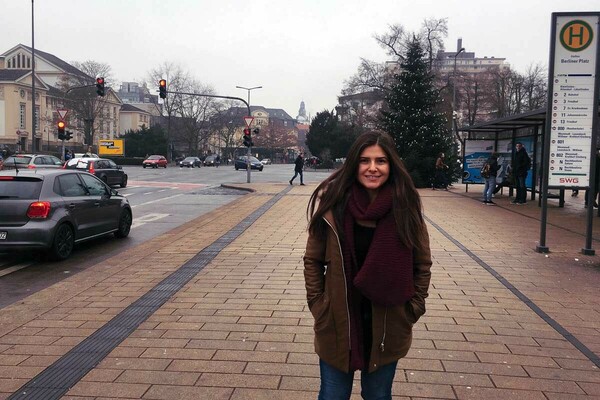
Hessen and Berlin, Germany; Vienna, Austria
This graduate student project explored how community-building takes place among minority migrant populations—spatially and temporally—in relation to the already existing communities in the urban places where migrants settle. The project focused on identity formation from a relational and performative perspective through the lens of place-making, language use and retention, and religious practices among the Zazaki diaspora in Europe and western Turkey. The project sought to answer what the dynamics of identity formation, maintenance, and performance are, and how these Zazaki speakers negotiate and produce/reproduce their identities as shaped by their environment.
Faculty Advisor: Maurizio Albahari
Olympia, Greece
This undergraduate spring break project followed in the footsteps of the authors of Ionian Antiquities, a landmark architectural book studying Classical Greek art and architecture, to produce a collection of the researcher’s own sketches and documentation. The project placed these sketches in conversation with ideas from Italian engraver Giovanni Piranesi, considering the power of nature over human structures and highlighting this struggle in Greek architecture.
Faculty Advisor: Lisa Lombardi-LoGiudice
London, England
This graduate student project analyzed texts within newspaper publications associated with the Chartist political movement, the largest working-class political movement in nineteenth-century literary studies. The project compiled publications from the British Library’s British Newspaper Archive, seeking to make an original contribution to a subject with growing interest in the scholarly community.
Faculty Advisor: Yasmin Solomonescu
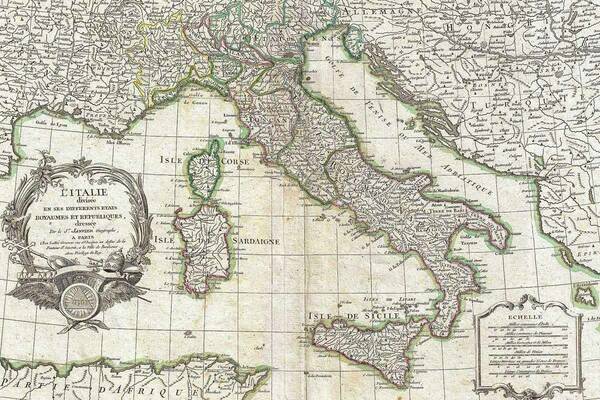
Naples, Italy; Monticello, Virginia
This graduate student project investigated the creation of the “Age of Revolution”—how and when people started thinking they were living in such an age and how the idea of an “age” was constructed in the first place. Taking case studies of the American revolution and the Jacobin Triennium in the Italian States, the project observed how interpretations of revolutionary events changed over the course of the eighteenth century. The project argued that the French Revolution introduced this radically new notion of “revolution”—revolution as a radical break from the past and an occasion to establish a new, truly egalitarian and democratic society—and thereby reframed the narratives of revolution in Europe and the Americas.
Faculty Advisor: Patrick Griffin
Berlin, Germany
More than one-fifth of Germany’s inhabitants are foreign-born or children of immigrants, yet Germany’s educational system often fails to integrate children with these backgrounds. Campus Rütli was founded in 2008 by the government of Berlin to address these growing civil disturbances and disadvantages in the highly diverse district of Neukölln. This undergraduate winter break study sought to better understand Campus Rütli’s policies of immigrant assimilation through education, revealing what is effective in dealing with the social, economic, and local repercussions of hyper-diverse migrant communities.
Faculty Advisor: Steffen Kaupp
Berlin and Potsdam, Germany
One of the most prominent architects of German history, Karl Friedrich Schinkel (1781-1841) had incredible influence on the neoclassical architecture of Berlin and Europe. This undergraduate winter break project examined how Schinkel’s design process changed before and after his travels through Italy to understand his approach and fill a gap in scholarship on the topic.
Faculty Advisor: Krupali Krusche
Frankfurt, Wiesbaden, and Bonn, Germany
The Frankfurt-Auschwitz Trial (1963-1965) was designed to force all West German citizens to face their own complicity with the Nazi criminal system, but in reality failed to present the Holocaust as anything but a summation of individual crimes committed for individual reasons. This graduate student project examined the place of the Frankfurt-Auschwitz Trial in post-war Germany’s evolving relationship with domestic law. The project’s archival research informed a dissertation on the same subject.
Faculty Advisor: John Deak
The student traveled to Trieste and Vienna to conduct archival research on the life of Maximilian. The research seeks to place Maximilian into the liberal tradition of the Habsburg Empire, serving as a liberal alternative to the more conservative Emperor Franz Joseph. Much of the historiography on Maximilian has been focused on his role in the Second Mexican Empire, and his role in shaping liberal Central Europe has been largely ignored. This project seeks to fill that gap and shed light on how Maximilian’s life provides insight into the development of liberalism in Central Europe and beyond.
London and Oxford, England
This undergraduate fall break project investigated the ethical, social, and political issues surrounding public displays of human remains in museums, focusing on museums in London. The project considered how London preserves and celebrates its history, including the issues of the past, and explored London as a setting for a film screenplay in which the research would be used.
Faculty Advisor: Christine Becker
Paris, Rouen, and Honfleur, France
Since the 10th century when the legendary Market Les Halles was founded, the tradition of the public market has been an essential part of French Culture. This undergraduate winter break project consisted of a study of French market halls to better understand their role in French society and the design factors that encourage community, with the goal of contributing the findings to urban revitalization in America.
Faculty Advisor: Lucien Steil
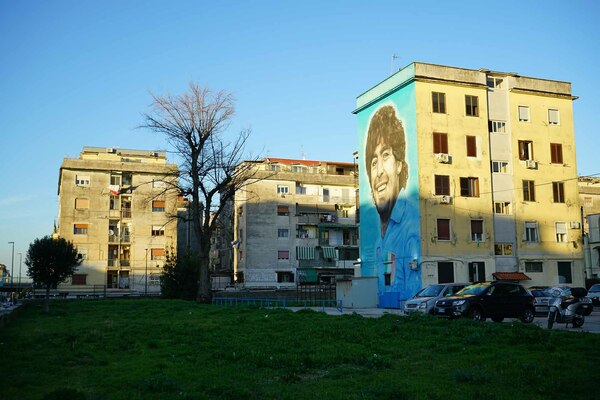
The anthropology senior honors thesis explored the pervasive imagery of Argentine soccer legend Diego Maradona within the city of Naples, Italy, examining the historical and socio-political influences shaping the city's identity and memory. Through visual anthropology, the study documented and analyzed various forms of visual culture in Naples, such as murals, statues, and public art, investigating their significance in the urban landscape and residents' interactions with them. Combining written text and a photographic essay, the project produced a visual ethnography, merging anthropological research with visual documentation.
United Kingdom; Italy
This faculty grant aided in funding two major research trips to Europe that were delayed or reconceived due to the pandemic. In response to COVID-19, Eileen Hunt retooled her research and reoriented her study of Mary Shelley toward the relevance of the author’s global plague novel The Last Man (1826) for both the development of post-apocalyptic literature and the political theory and social science of pandemics. Hunt’s book on this topic is titled Mary Shelley and the Spectre of Pandemic: How Her Plague Journals Generated the Uncanny Predictions of Post-Apocalyptic Fiction.
Rome and Florence, Italy; London, England
This undergraduate spring break project examined the interdisciplinary discussion concerning the historical, cultural, and theological aspects of dining by researching the dining culture and rituals of early-Middle Renaissance Florence. The project focused on the “non-sensorial” nature of meals, studying the physical objects, namely cutlery and dining ware, that fostered authentic depth in a typical Renaissance Florentine meal.
Faculty Advisor: Francesca Bordogna

James Whitaker is a third-year PhD student at Notre Dame’s Department of Theology, and he primarily studies Byzantine monasticism and ascetic theology. Much of his research, including his upcoming dissertation and publications, consists of producing English translations from ancient Greek texts. Oftentimes, especially in the case of his work on St Nilus of Ancyra (†430), there is no available edition of the Greek text, and he must turn to medieval manuscripts to perform the role of both editor and translator. The Nanovic Institute, Roy Kimmey, and Hildegund Mueller were proud to sponsor Whitaker’s visit to the Patriarchal Institute for Patristic Studies (PIPM) in Thessaloniki, Greece, where he read Greek manuscripts only accessible in the Institute's microfilm collection.

Whitaker’s project itself involved three days in the PIPM library and manuscript/microfilm collection. At the PIPM, his research was conducted at a desk in the basement of the center, surrounded by shelves and shelves of books and with a tray of my microfilm. He was given ample time to peruse hundreds of folios and look at the various works associated with the name “St Nilus.” While he identified some as misattributions belonging properly to another author, Whitaker found several interesting works by or about Nilus. One manuscript, which contained a different version of a script he is currently translating for publication, has enabled him to more closely examine textual differences between the two versions. Upon his departure from Greece, Whitaker was grateful to have had the opportunity to collect research for his publication of St Nilus of Ancyra’s ascetic treatises and his upcoming dissertation.
Washington, District of Columbia
This graduate student project investigated high profile instances of tensions between the United States and the Soviet Union during the Cold War, questioning why the US chose to litigate some of these incidents while leaving others to be resolved politically. The project generated a journal article on the causal logic behind the litigation attempts, and afterward the research served as the basis for a book project on the diplomatic history of these events. The project sought to advance scholarship on the politics of the early Cold War in Eastern Europe, demonstrating how the string of attempts at international litigation initiated by the US in the 1950s reveals a presidential administration attempting to use law as a bargaining tactic in the European theater.
Faculty Advisor: Emilia Justyna Powell
Paris, France
This faculty grant supported a course taught in the Notre Dame Summer Study Abroad Program in Paris, “Paris, Visual Capital: Cinema, Photography, Media.” The course examined the convergence of historical and societal factors in select films, photography, and novels. It discussed how works of visual art require readers, listeners, and viewers to adopt a different stance toward visual text and how this is textually a political statement. The course included discussions and on-site meetings with guest speakers.
Oslo, Norway
This Master's thesis project designed and proposed an alternative version of Oslo’s existing port design, particularly its main passenger terminal, that highlights the robust and intimate historical relationship Norway has with the sea. The project sought to combine traditional and contemporary Scandinavian design styles to meld human-made objects with the natural landscape of the area. The project aimed at designing a plan which could transform the port area into a new marine communication hub close to the beautiful northern landscapes epitomized by Oslo.
Würzburg and Freiburg im Breisgau, Germany
This graduate student project studied the effects of broader political movements at German universities, specifically how these universities interacted with the administration in the decades following the Napoleonic wars. The project focused on the ways in which students at southern German universities grappled with questions of German identity and responded to state-building efforts and major events, including the reconstruction of Germany following the Napoleonic wars. The project sought to contribute to existing scholarship on political movements’ effects on German universities, which primarily focus on the 1930s-1940s.
Faculty Advisor: John Deak
Paris, France
This faculty grant supported a course taught in the Notre Dame Summer Study Abroad Program in Paris, “Postcolonial Paris: Contemporary French Cultures in Literature and the Arts.” The course concentrates on the ways contemporary “French” cultures are reconsidered and redefined by writers and artists from outside France. The course explores novels by immigrants and second-generation immigrants, critical articles and book chapters by contemporary scholars and politicians, films, and cultural events including a ballet at the Opéra Garnier.
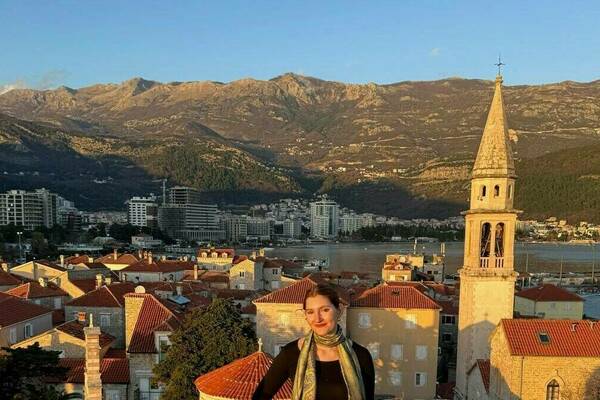
Montenegro
The student's work encompassed both peripheries and memory and remembering, with a specific focus on Montenegro. Montenegro's ambiguity as a country rarely discussed in conversations about the war intrigued the student. They noted the scarcity of sources written since Montenegro's independence in 2006, both in English and Montenegrin.
Their research delved into the politics of memory, exploring how Serbian/Russian and American/EU influences exerted different pulls on Montenegro. This exploration aimed to shed light on Montenegro's viewpoints, often unknown to the outside world, and to examine how these influences shape the country's narrative and memory of historical events.
Barcelona, Spain
This undergraduate summer break project studied spatial arrangement, material application, and tinctorial architecture—three main aspects of modern architecture. The project focused on sites that represented the most important architectural and design approaches of Spanish modernism.
Faculty Advisor: Selena Anders
Trento, Vicenza, and Perugia, Italy
This undergraduate summer break project analyzed the seismic vulnerability of unreinforced masonry buildings. The project collected data on the structural integrity of over seventy-five medieval Catholic churches and prepared protection and intervention plans for these church parishes to promote public safety and preserve important components of Italian culture and heritage.
Faculty Advisor: Kevin Walsh
Notre Dame, Indiana; Turin and Rome, Italy
This graduate student project examines the life and works of Primo Levi, an Italian Holocaust survivor and a prominent international post-war intellectual figure, specifically how intertextuality influenced Levi’s writing. The project asked why so many international authors are present in Levi’s work and what role this intertextuality plays, focusing on constant Shakespearean references throughout Levi’s works and thought. The preliminary research of this project investigated Primo Levi’s education and encounters with this international literary culture.
Faculty Advisor: Christian Moevs
Mainz, Germany; Antwerp, Belgium; Paimpont, France
This undergraduate spring break project investigated the history of printing and bookmaking and gathered visual reference material from early printers. The project explored the different approaches that these printers took to binding, the combination of word and image, and the relationship between a book’s content and form from examples located in the Mainzer Minipressen-Archiv and the Plantin-Moretus Museum.
Faculty Advisor: Amy Mulligan
Paris, France
This faculty grant supported the completion and outreach campaign of a web documentary entitled “Profil 14-18,” created by Olivier Morel in collaboration with TV5-Monde. The web documentary explored the stories of seventeen people of various nationalities engaged in the First World War.
London, England
This undergraduate spring break project studied London’s social housing blocks, some of Europe’s most successful and innovative housing of its kind, to create a comprehensive pattern book of design techniques and elements employed in the rebuilding of London. The project focused on a typological analysis of British social housing from 1960 to 1980 and sought to identify the elements in planning and design that made these neighborhoods successful.
Faculty Advisor: Selena Anders
Paris, France
This faculty grant provided funding for research at the Bibliothèque Nationale de France on the French Foreign Legion’s activities in Latin America, a topic central to a chapter in Joshua Lund’s current book. The grant also provided the opportunity to continue a conversation with professors at the Institut des Haut Études de l’Amérique Latine (Université Sorbonne Nouvelle - Paris 3) about a range of cooperative endeavors, including research, publishing, and graduate student exchange.
The student's thesis project for a Cultural Arts Center in Zagreb, Croatia, strongly connected to the research priority of "Memory and Remembering." The project aimed to understand how cultural heritage, history, and identity are remembered, preserved, and passed on to future generations. The ethnographic museum within the center served as a repository of cultural memory, displaying traditional costumes and artifacts significant to the lifestyles of various Croatian regions, thereby preserving these elements for future generations.
Similarly, the performance theater, curated for traditional Croatian folk dance, functioned as a living memory of the nation's cultural legacy. Another goal of the project was to reinstate the style and tradition of the historic Trg Bana Jelačića, preserving the memory and historical significance of the square as a place of cultural and societal importance.
Additionally, the project addressed the impact of globalization on Croatian culture, which risks overshadowing or marginalizing traditional cultures. By showcasing Croatia's cultural heritage through the Cultural Arts Center, the project aimed to counteract this cultural loss. In all these ways, the entire project embodied the concept of memory and remembering by actively conserving and presenting Croatia's rich cultural heritage and historical legacy.
Glasgow, Scotland; Edinburgh, Scotland
This undergraduate winter break project examined the lifecycle of university and other educational buildings, with a focus on English and Scottish institutions from the eighteenth to early twentieth centuries. The project studied how these buildings were designed, how they had been augmented over time, and how their programs had changed after their initial construction, seeking to reveal observable design patterns through which historic facilities adapted to modern needs.
Faculty Advisor: Steven Semes

Since arriving at Notre Dame, Leticia Cardoso has fostered an academic interest in the relationship between democratic institutions and economic opportunity. This summer, she traveled to Geneva to better understand how multilateral decision-making works in practice – and how institutions respond to global issues. In May, Cardoso participated in the UNITAR Geneva Immersion Programme, a week-long educational experience that offers students the opportunity to engage directly with the workings of institutions like the United Nations Office at Geneva, the World Health Organization, and the World Trade Organization.
Through daily lectures, site visits, and workshops with diplomats and practitioners, Cardoso studied political concepts, interpersonal dynamics in diplomacy, and the two’s connection to multilateral decision-making. As a Global Affairs student, Cardoso relied upon the following questions to guide her learning journey in Geneva: How do international organizations based in Geneva—many of them rooted in European cooperation—respond to today’s most pressing global challenges? What strategies are most effective in facilitating dialogue and cooperation among countries with diverse interests? In what ways do these institutions uphold principles like human dignity, inclusion, and democratic governance?

The Geneva Immersion Programme’s ability to bridge theory and practice provided Cardoso with the rare opportunity to examine how diplomacy operates on the ground, how institutional memory is preserved and projected, and how Europe continues to shape and be shaped by the structure of global governance. She appreciated how “being in the room, listening to people who have spent decades navigating these systems, and observing how different institutions respond to pressure gave [her] a more grounded view of global governance.” Cardoso was also grateful to identify additional academic areas she hopes to explore more deeply. Although Cardoso arrived with a framework structured by textbook-based knowledge, she left with a far more complex one — a framework shaped by conversations, contradictions, and the people working behind the scenes to keep diplomacy alive.
The project entailed senior thesis research on the trauma experienced by World War I soldiers in Belgium and England, involving visits to numerous archives and museums in both countries to examine primary source materials such as journals.
Ireland; Italy
This faculty grant supported a student research experience studying historic Catholic churches and structures in Ireland and Italy. The project aimed at familiarizing students with the general variables, process, and outcomes of infrastructure asset management and community impacts. The research focused on providing students with hands-on experience integrating engineering in a cultural, historical, and sustainable context.
Lincoln, England
This undergraduate spring break project analyzed the Lincoln Cathedral, an influential example of Gothic architecture, through a series of sketches, watercolor renderings, and diagrams. The project aimed to understand the structure within its urban context, as well as detail its design and functions. The project emphasized the collaboration between irregular elements of design, placing the Gothic form in contrast to Classical works.
Faculty Advisor: John Stamper
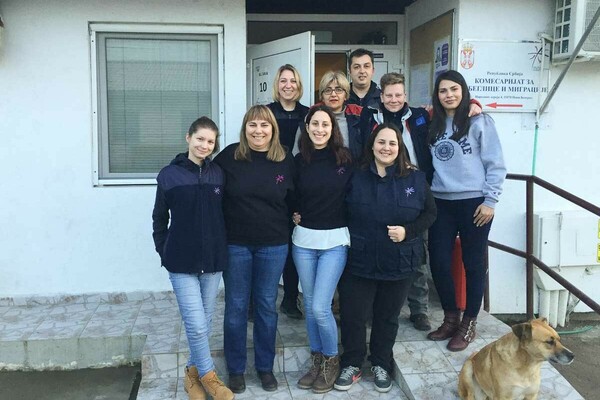
Belgrade, Serbia
This graduate student project examined the complexity of migration by comparing experiences of transitory refugees encamped in Serbia and Kenya, investigating patterns of integration and exclusion of encamped and transitory refugees within their host communities. Engaging with biological and human cultural concepts, the project sought to understand how refugees, who survived wars, cope with the immense changes brought by forced displacement while struggling to restructure their identity and place at both individual and collective levels. The project aimed to contribute to scholarship on forced/transitory migration and general refugee phenomena, specifically the process of integration, community building, and policies that respond to these crises.
Faculty Advisor: Rahul Oka
Galway and Dublin, Ireland
This undergraduate spring break project explored the impact of the Easter Rising of 1916 on the historiography about Irish involvement in World War I, focusing on the extent to which the Easter Rising decreased the significance of the Irish contribution to the Great War. The project included research at museums and memorials in Galway and Dublin and interviews with historians of the era.
Faculty Advisor: John Deak
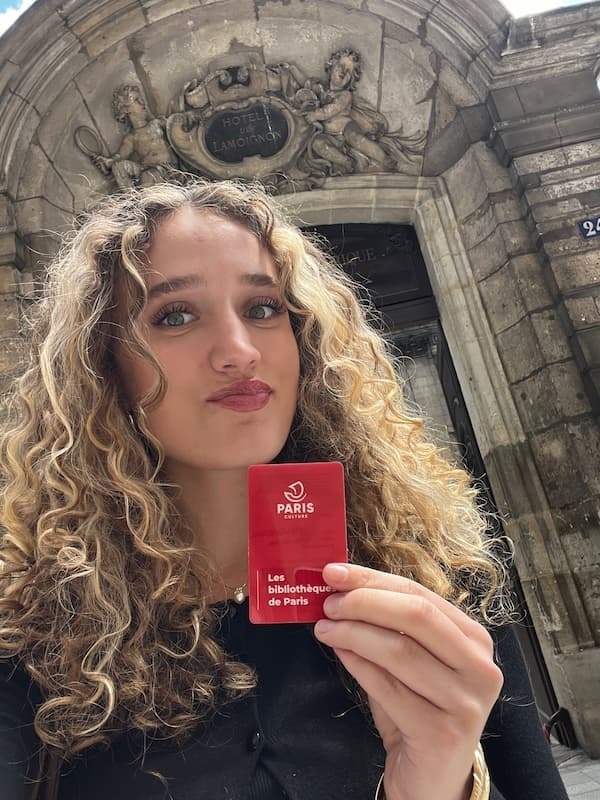
With support from the Nanovic Institute, the Notre Dame Stamps Scholars Program, and Dr. Anne Seul, Lichtenberger’s research project sought to analyze immigration-related policies and public perception of immigration in Paris, France. Having attended a French school for almost a decade as well as nurtured a long-standing interest in immigration policy, she was drawn to examine how French colonial history, particularly the 20th century, reverberates through modern immigration frameworks. Specifically, she hoped to explore the following: How does France’s colonial history shape contemporary immigration policies and public perceptions of migrants in Paris, and how do these historical influences manifest in the lived experiences of immigrant communities today? Her guiding question pertained to examining how France receives migrants (primarily measured through comparing written policy and policy implementation) and, secondarily, how public perception of migrants has evolved and what factors may have contributed to this trend. Understanding that colonial legacies are essential for analyzing modern immigration flows, policies, and public attitudes, Lichtenberger sought to explore post-colonial migration patterns that have shaped the demographic and cultural landscape of Paris.
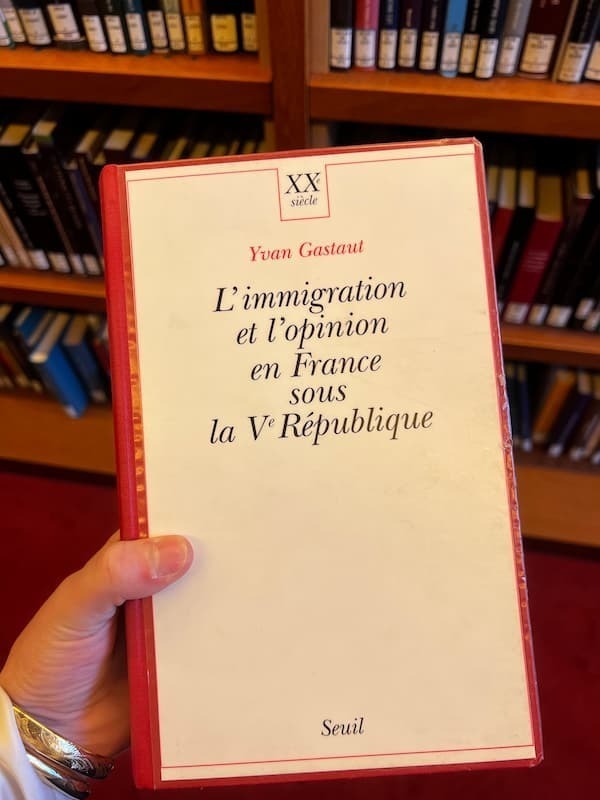
While in Paris, Lichtenberger conducted museum-based research at sites of “living texts”: Musée de l'Histoire de l'Immigration (Museum of the History of Immigration), Musée de Paris (Musée Carnavalet), Musée du Quai Branly – Jacques Chirac, and Palais de la Porte Dorée. She also conducted archival research at the Bibliothèque Historique de la Ville de Paris (BHVP) and BnF - François Mitterrand. By carefully comparing historical documents, academic books, policy records, and museum exhibitions, she traced how colonial relationships continued to influence integration policies, spatial segregation, and national identity long after formal decolonization. Lichtenberger’s key takeaway from her research was the significance of preservation and presentation of information in historical narratives: “The silences, omissions, and curatorial choices often spoke just as loudly as the facts themselves.” Across various archival spaces, differences in representation of historical events pushed her to think critically about how memory is constructed, who gets to tell the story, and how institutions shape collective understanding through what they choose to preserve, and what they leave out.
Madrid and Barcelona, Spain
Twentieth-century Spain was characterized by the tragedies of civil war and dictatorship, yet as tensions heightened, football became a place where political ideas and attitudes could be expressed. This undergraduate summer break project explored how people’s impressions towards football clubs have affected people’s understanding of the complex issues of the Spanish Civil War and the dictatorship of Francisco Franco. The project focused on how Spaniards used football to communicate their political differences under the Franco dictatorship, from 1939 to 1975.
Faculty Advisor: John Deak
Washington, District of Columbia
This graduate student project explored documents related to Italian writer Primo Levi, a scientist and Holocaust survivor, to understand how Levi’s works are influenced by the dominant Anglophone culture of the post-war era. The project conducted archival research on early chapters of Levi’s If This is a Man at the United States Holocaust Memorial Museum as well as study of the presence of British prisoners in concentration camps, particularly Auschwitz.
The project involved senior thesis research on the relationship between England and Virginia during the Glorious Revolution, with visits to archives in Virginia, London, and Oxford to access essential primary sources unavailable online.
The project supported an Honors History senior thesis research in Dublin, Ireland, during Summer Break 2022. The research focused on investigating Irish counterintelligence against Nazi espionage in World War II and its significance in shaping Irish neutrality and our understanding of small power politics.
The project involved visiting archives in London and Edinburgh to access documents showcasing examples of "black propaganda" used by the British government and military during WWII for a senior thesis.
Galway, Ireland
In the early 1900s, Ireland’s political climate was characterized by tension and turmoil as the country entered a revolutionary period against British rule. Tensions peaked in April 1916 when Irish republicans took advantage of Britain’s preoccupation with the first World War and staged a rebellion on Easter Monday, an event memorialized in Irish memory. This undergraduate spring break project sought to reveal whether World War I is remembered as a distinct moment in Ireland’s history or simply as a catalyst for Irish independence.
Faculty Advisor: John Deak